 youthpublishnow@gmail.com
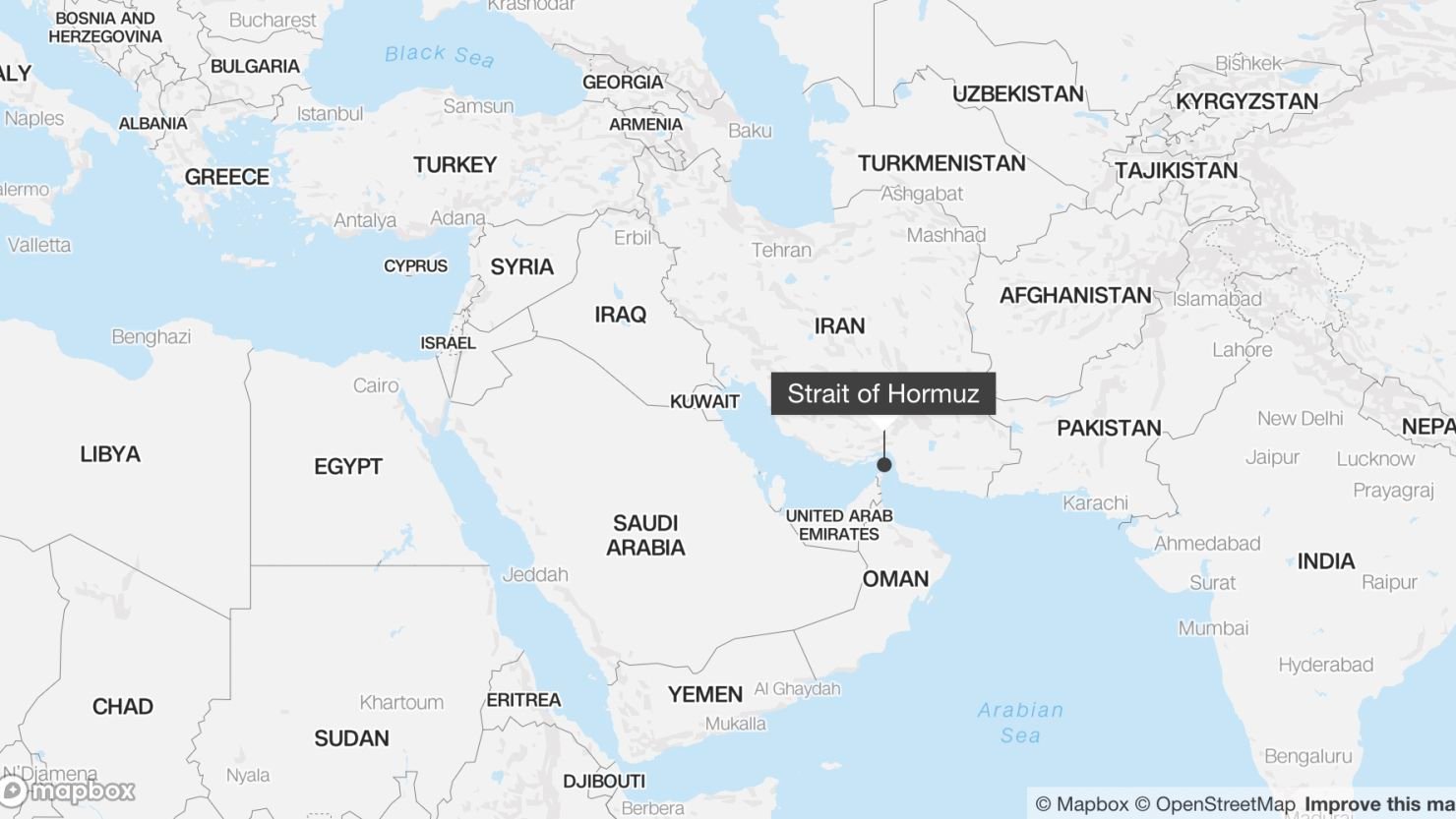
The global energy crisis triggered by the closure of the Strait of Hormuz has entered its most dangerous phase yet, with Brent crude trading at $113.54 per barrel Tuesday morning, violence flaring in the critical waterway despite a fragile ceasefire, and more than 20,000 seafarers stranded aboard approximately 2,000 vessels with no safe passage in sight.
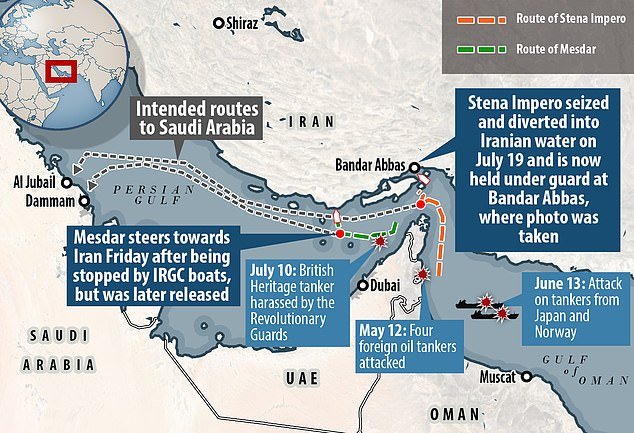
Violence returned to the Strait last week when the U.S. military destroyed six Iranian small boats after Iranian forces attacked commercial vessels attempting transit. The United Arab Emirates reported incoming Iranian missiles and drones. President Trump announced “Project Freedom,” a U.S. military escort operation for commercial shipping through the Strait, but the International Transport Workers Federation has urged shipowners not to treat the announcement as a green light.
“Freedom of navigation must be restored in full accordance with international law, but it must be done in a way that is coordinated, transparent, and puts seafarers’ safety first,” said ITF General Secretary Stephen Cotton. He added that there was “little clarity” about how the operation would guarantee safe evacuation, nor any assurance from Iran that transit would continue without attack.
The numbers behind this crisis dwarf anything the modern world has experienced. Before the U.S.-Israel strikes on Iran on February 28, 2026, approximately 20 million barrels of oil per day flowed through the Strait. By March, that figure collapsed to just over 2 million barrels per day. The International Energy Agency launched its largest-ever emergency release of strategic oil stocks, but even that has not reversed the price spiral.
Vitol CEO Russell Hardy stated in April that the conflict will result in the loss of one billion barrels of oil production, with current losses already between 600 and 700 million barrels. Qatar’s Ras Laffan facility, the largest liquefied natural gas plant on Earth, has been offline since missile strikes on March 2. QatarEnergy owner warned that repairs could take up to five years.
The consequences radiate globally. In Europe, Dutch TTF gas benchmarks nearly doubled to over 60 euros per megawatt hour. The European Central Bank postponed planned interest rate cuts and raised its 2026 inflation forecast. The United Kingdom faces inflation expected to breach 5% this year. Chemical and steel manufacturers across the EU have imposed surcharges of up to 30% to offset energy costs.
In Asia, the impact arrived first and hardest. China, Japan, India, and South Korea collectively receive nearly 70% of Gulf oil through the Strait. India’s cooking gas supply collapsed because 60% of its LPG demand flows through Hormuz. Restaurants in Mumbai shut down partially in March due to cooking gas shortages. Pakistan, Bangladesh, Vietnam, Nigeria, and Zimbabwe face severe fuel shortages with limited strategic reserves.
Africa’s oil-importing nations face an especially brutal combination: rising global prices, depreciating currencies, and governments with no fiscal room to absorb the shock. Malawi’s fuel crisis has deepened to a national emergency, with petroleum shortages spreading across all major cities.
Trump’s ceasefire announcement in April briefly calmed markets, but the ceasefire has since shown severe cracks. Trump himself declared on social media that Iran’s response to U.S. proposals was “TOTALLY UNACCEPTABLE,” and U.S.-Iran tensions remain elevated, with Tehran warning against further military aggression.
Read More: Russia -Ukraine War 2026: Ceasefire, Putin’s Victory Day Parade, and the Fragile Road to Peace
The IEA’s Executive Director has stated that the combined impacts of the Strait closure amount to “the greatest threat to global energy security in history.” Wall Street analysts now openly discuss scenarios in which oil reaches $200 per barrel if the Strait does not reopen before summer. At that price level, economists warn of a stagflationary shock severe enough to trigger global recession, collapse central bank rate-cutting cycles, and reshape electoral politics across the democratic world.
The Trump-Xi summit in Beijing carries, as its most urgent subtext, the question of whether America and China can jointly move the Strait back open. For now, the ships sit idle, the oil stays locked in the Gulf, and the world watches a narrow waterway decide its economic fate.

 youthpublishnow@gmail.com