 youthpublishnow@gmail.com
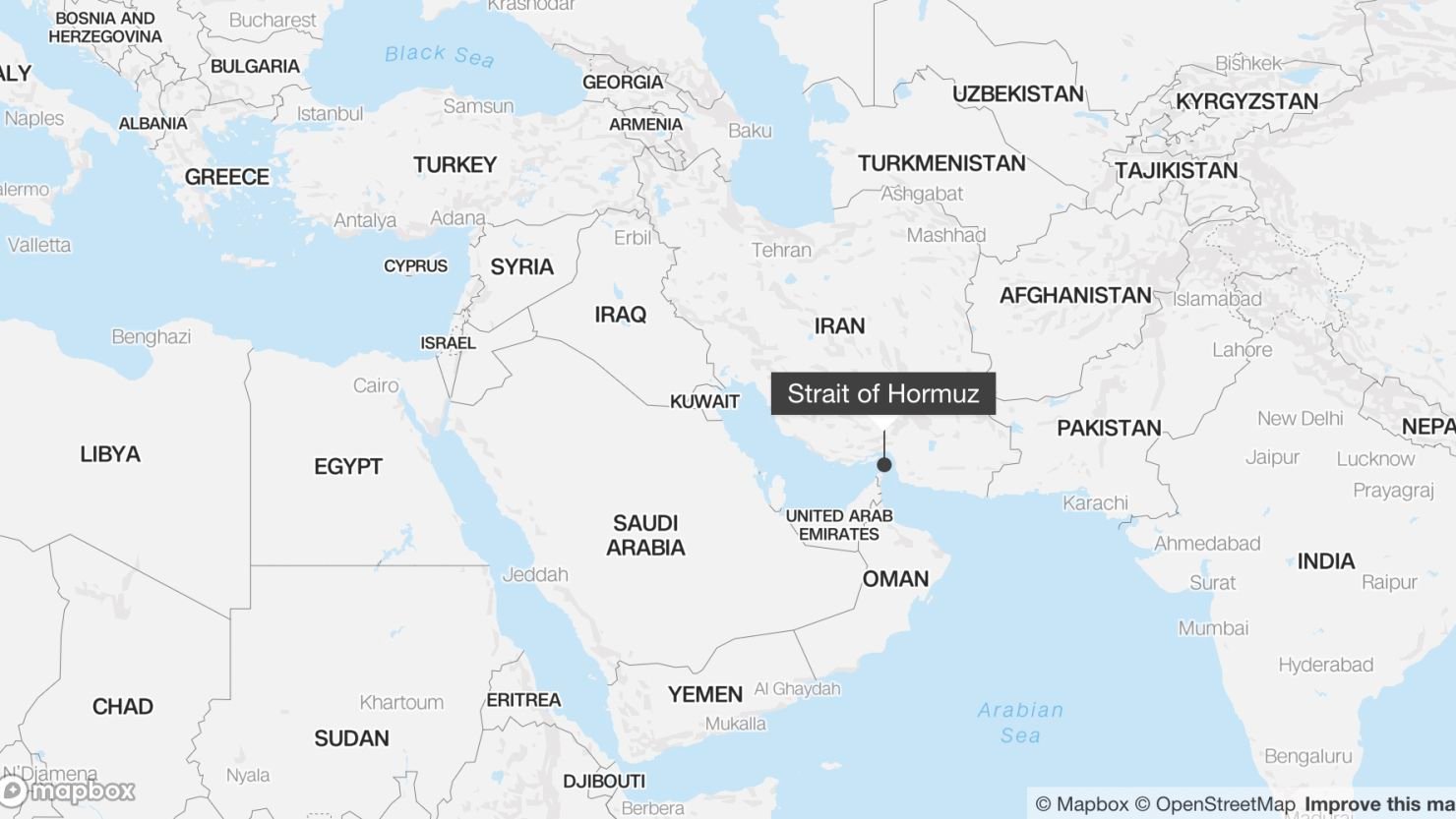
The war between the United States and Iran has triggered the most severe energy shock in modern history, and its consequences are spreading rapidly across Asia, Europe, and Africa with no clear resolution in sight. The Strait of Hormuz, through which roughly 20 percent of the world’s oil and liquefied natural gas normally flows, remains partially blocked by US and Iranian military forces, sending fuel prices to record highs and forcing governments to make impossible choices between economic stability and social survival.
In South Korea, one of Asia’s most exposed economies, officials have advised widespread energy conservation, slashed growth forecasts, and warned of sustained fallout from high inflation and a currency that has dropped to a 17-year low. The situation has produced a contradiction that is as politically explosive as it is economically alarming: South Korea’s largest tech companies are reporting record profits, and the country’s stock market is hitting all-time highs, while ordinary consumers face fuel shortages, rising food costs, and stagnant wages. Tens of thousands of Samsung workers are threatening to strike.
Economists call this the “K-shape” phenomenon. The AI boom and the energy crisis have split Asia into two separate economic realities operating simultaneously. Technology companies tied to artificial intelligence and semiconductor manufacturing are thriving, while everyone outside that narrow sector faces a darkening economic picture driven by fuel scarcity. South Korea’s central bank has warned of a growing misalignment between real public sentiment and headline GDP growth figures.
Taiwan faces a similar fracture. The semiconductor industry generates enormous national wealth, but accounts for just 4 percent of the country’s total workforce. Entry-level workers in chipmaking can earn five times what peers in other industries make, creating severe income inequality. Taiwanese economists now describe this concentration of wealth as a severe structural risk. For the general public, the promising AI future feels abstract when fuel and food prices are rising every month.
Southeast Asian nations have suffered the most direct energy pain. Singapore, which has zero domestic oil production and imports nearly all its fuel, has issued repeated official warnings about the economic toll of the Strait of Hormuz disruption. The city-state’s government has called publicly and urgently for free passage through the strait, a demand that carries enormous political weight given Singapore’s role as one of the world’s busiest shipping hubs.
In Africa, the Iran conflict has exposed just how fragile the continent’s fuel supply chain truly is. Mozambique has seen its annual inflation rate rise to a six-month high of 4.41 percent in April 2026, driven in part by fuel supply constraints that have disrupted distribution of essential goods across the country. Kenya’s ride-hailing service Bolt has already raised fares by 6 percent to offset rising fuel costs.
The global energy shock has also revived interest in African oil production as an alternative supply source. Industry analysts have noted that with smart investment, African oil could theoretically fill a meaningful portion of the supply that normally passes through the Strait of Hormuz. Billionaire Aliko Dangote has disclosed that he is considering Mombasa, Kenya, as the location for a new 650,000-barrel-per-day refinery in East Africa. Kenyan commercial oil production from the South Lokichar fields in Turkana is expected to begin before the end of 2026, producing between 20,000 and 50,000 barrels per day.
Read More: Strait of Hormuz Crisis: Oil at $113 a Barrel and 20,000 Sailors Trapped as Iran Ceasefire Hangs by a Thread
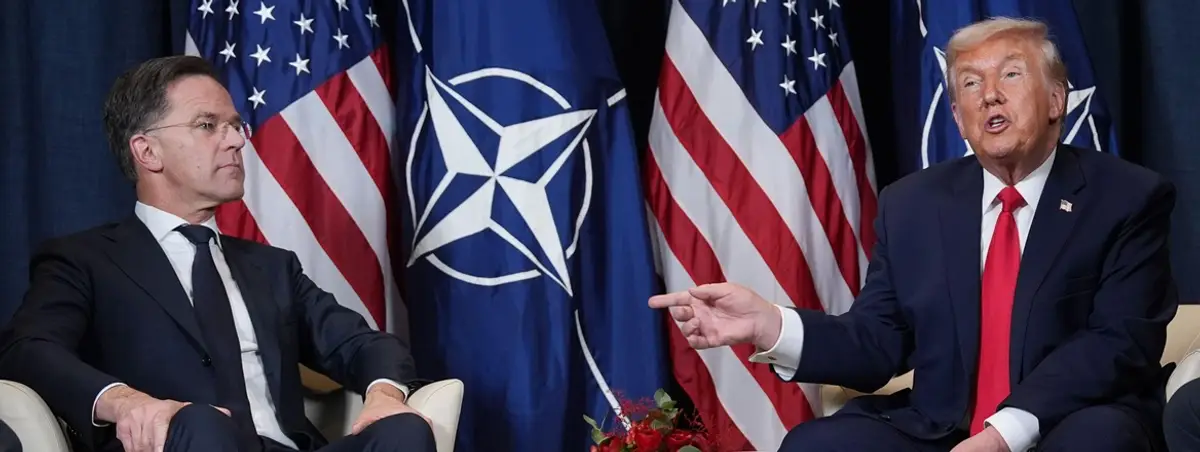
One potential off-ramp from the global energy crisis sits inside the Trump-Xi summit in Beijing this week. Analysts are watching closely to see whether the two leaders can agree on a joint effort to reopen the Strait. A potential energy deal that involves China purchasing more US oil and natural gas could push commodity prices higher in some markets, but a reopened strait would provide broad global relief. Most experts, however, describe such an outcome as a long shot given the political complexity of the Iran conflict.
The rush to build AI infrastructure is making the energy shortage worse in unexpected ways. Data centers and AI manufacturing facilities consume enormous amounts of electricity, siphoning power away from other sectors at precisely the moment when energy supply is most constrained. Governments across Asia are trying to reconcile an AI investment boom with an energy crisis, and so far, no one has found a clean answer.


 youthpublishnow@gmail.com