 youthpublishnow@gmail.com
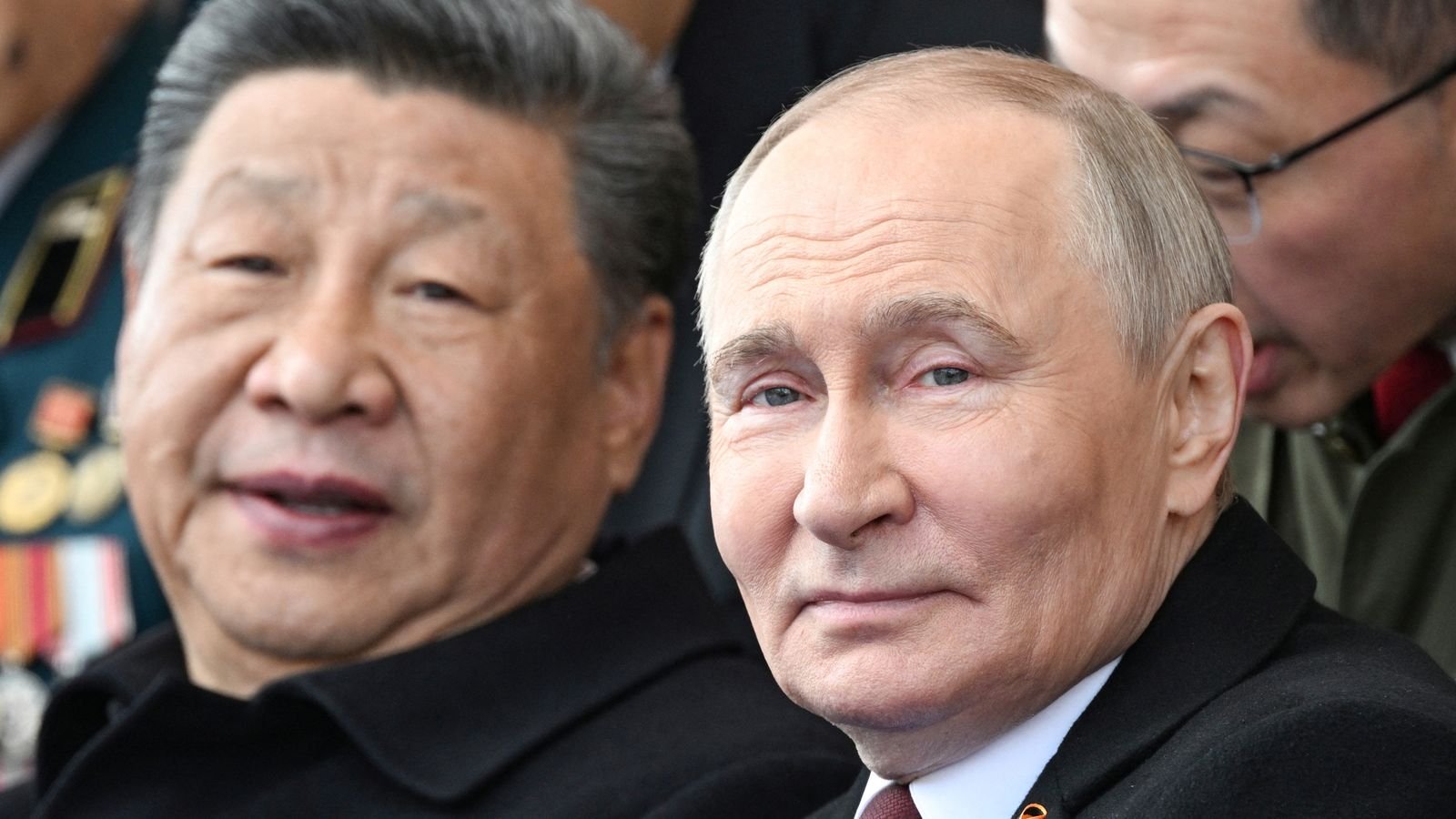
Russian President Vladimir Putin hosted world leaders at Moscow’s Victory Day parade on May 9, 2026, marking the 81st anniversary of the Soviet Union’s defeat of Nazi Germany in World War Two. Security was extraordinarily tight across the Russian capital as a US-brokered three-day ceasefire offered a brief pause in fighting, easing concerns that Ukrainian forces might attempt to disrupt the ceremonial event.
The parade this year was notably different from previous years. It took place without the customary display of heavy weapons, the first such absence in nearly two decades. Military analysts interpreted this as a sign that Russia’s weapons production and battlefield losses have constrained what the Kremlin wants to put on display publicly. Despite the pageantry, the underlying military situation remains highly contested, with neither side close to a comprehensive peace settlement.
President Trump announced separately that both Russia and Ukraine had agreed to swap 1,000 prisoners from each side, describing it as a significant diplomatic achievement. The prisoner exchange, while limited in scope, represents a rare area of agreement at a time when negotiations over territory, sovereignty, and the future status of occupied regions remain completely deadlocked.
Ukraine’s President Volodymyr Zelensky has continued to resist any peace framework that would legitimize Russian occupation of Ukrainian territory. European leaders, particularly in France, Germany, and the Baltic states, have backed Kyiv’s position while also pressing for continued military and financial support. The war has now cost Europe an extraordinary amount in economic disruption, refugee integration, and defense spending.
The Trump-Xi Beijing summit taking place this week adds another dimension to the conflict. Analysts say one possible outcome of improved US-China relations could be a reduction in Chinese support for Russia’s war effort. China has provided Russia with dual-use goods, technology, and economic lifelines that have helped Moscow sustain its military campaign. Any shift in that relationship would weaken Russia’s strategic position considerably.
In Ukraine, the three-day ceasefire brought limited relief to frontline communities that have endured years of shelling and displacement. But Ukrainian officials made clear they do not view the temporary truce as the beginning of a larger peace process. Military officials indicated that Ukrainian forces used the ceasefire to reposition and resupply, signaling that fighting will resume in full once the pause expires.
Read More: NATO Alliance Fractures as Trump’s Unilateral Iran Strikes Trigger Emergency Rethink of Transatlantic Security
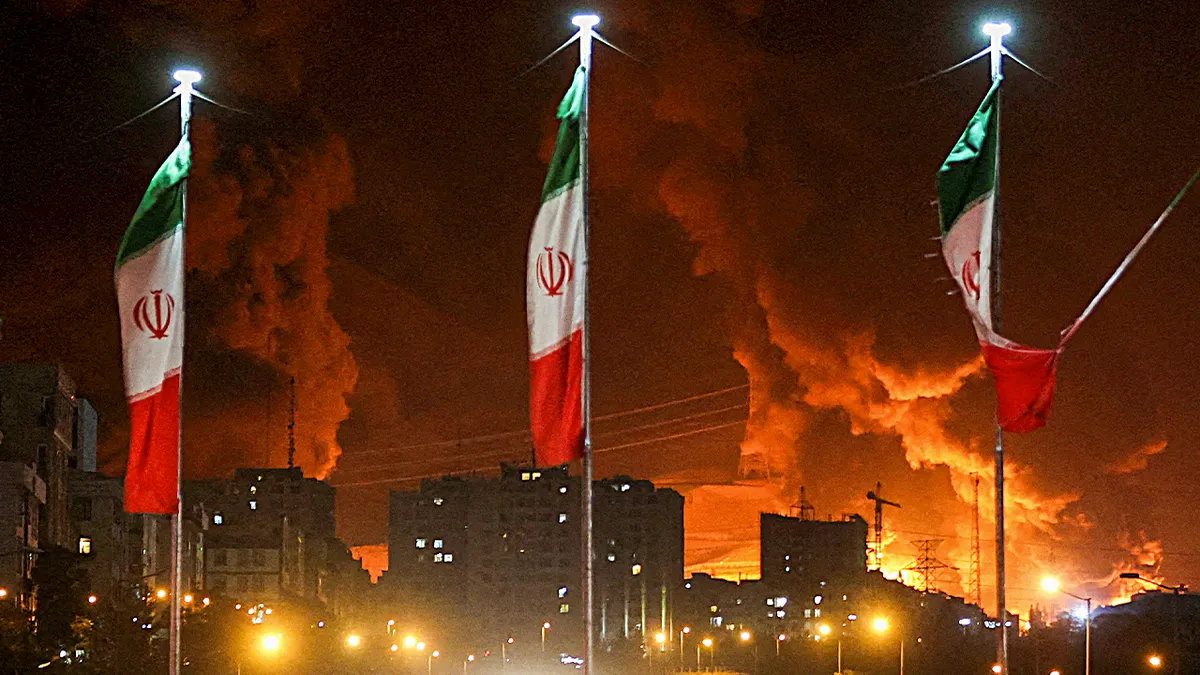
For the global economy, the war continues to affect grain supplies, fertilizer prices, and energy markets in complex ways. Ukraine remains one of the world’s largest exporters of wheat and sunflower oil. Continued fighting disrupts planting seasons and export logistics, keeping global food prices elevated at a time when the Iran war is also driving up energy costs. The combination of two major conflicts affecting food and energy markets simultaneously has created a brutal inflation environment for import-dependent developing nations.
The road to genuine peace in Ukraine remains long. Western governments continue to send weapons. Russia continues to call for negotiations on its own terms. And ordinary Ukrainians continue to pay the highest price of all.

 youthpublishnow@gmail.com