 youthpublishnow@gmail.com
Dnn247.com | Breaking News | May 30, 2026 | Shangri-La Dialogue | Asia Security | US Military | Indo-Pacific
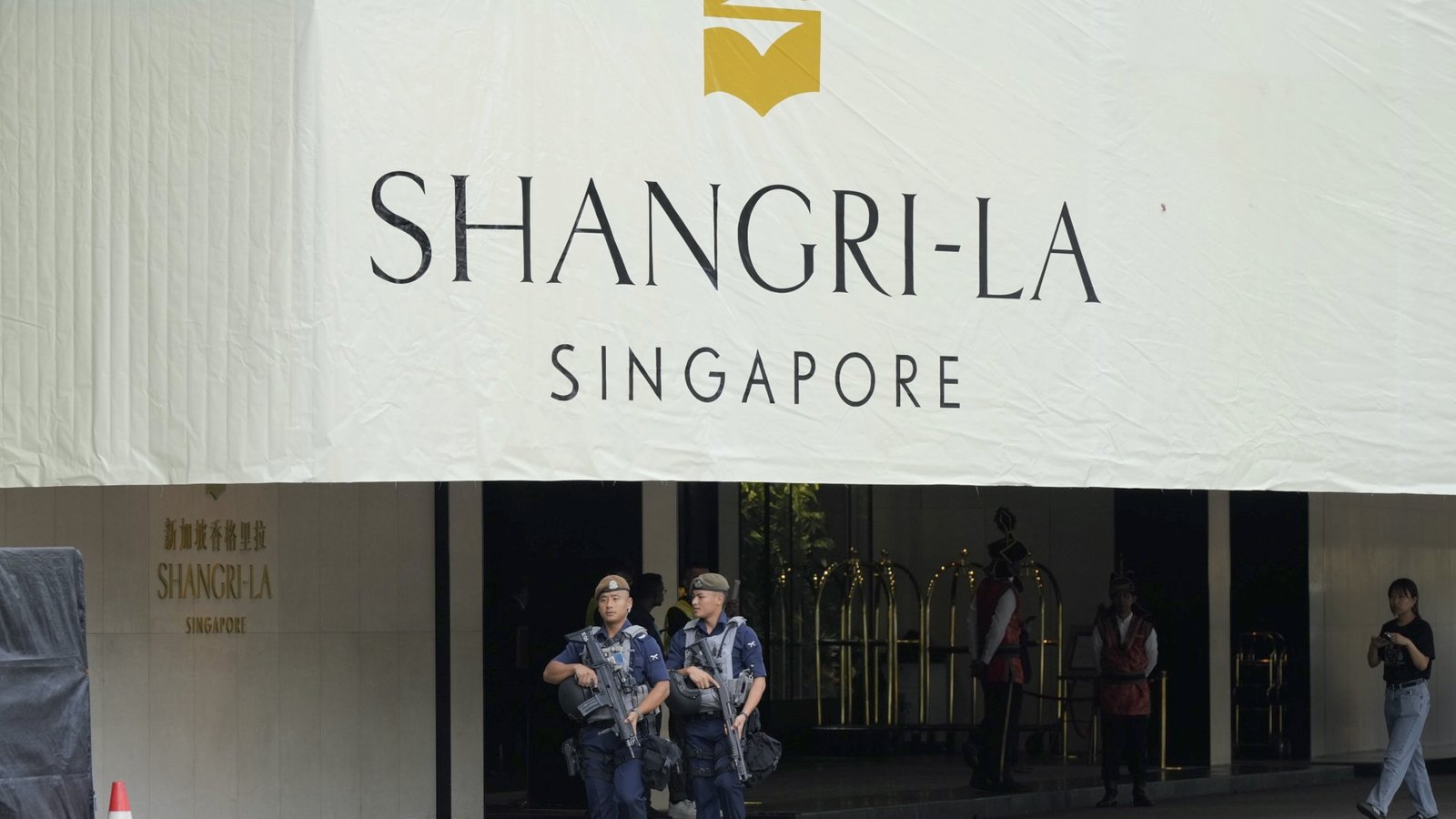
Asia’s premier annual defense summit opened its final day Saturday in Singapore with U.S. Defense Secretary Pete Hegseth at center stage, delivering a keynote address that reaffirmed America’s military commitment to the Indo-Pacific region while simultaneously navigating the political delicacy created by the Trump administration’s recent reset in relations with Beijing. The 23rd Shangri-La Dialogue, running May 29 through 31, 2026, at the historic Shangri-La Hotel in Singapore, has drawn defense ministers, military chiefs, senior diplomats, and strategic analysts from across the world to confront a regional security environment shaped simultaneously by Chinese military expansion, Middle East spillover, and the ongoing war in Ukraine.
The timing of this forum is significant. The Trump-Xi summit held in Beijing earlier this month produced an agreement to reset ties and manage disputes between the two largest economies. Markets reacted positively. Regional governments, many of which have been navigating the U.S.-China competition with increasing anxiety, welcomed the reduced temperature in the relationship. Hegseth’s appearance at Shangri-La was therefore awaited as the first substantive public signal of what that reset means in practice for American defense posture in the Indo-Pacific.
His message balanced reassurance and warning with deliberate care. He described U.S.-China relations as better than they have been in many years, crediting Trump’s approach for the improvement. He reaffirmed treaty commitments to Japan, South Korea, Australia, and the Philippines. He confirmed American support for AUKUS and the Quad. And he issued a pointed warning about what he described as China’s historic military buildup and the expansion of its military activities in the region, explicitly noting that this buildup generates alarm among U.S. allies and partners.
China’s absence at the ministerial level gave Hegseth’s framing room to breathe without direct contestation from Beijing. China’s Defense Minister Dong Jun did not attend, following the pattern of the 2025 Shangri-La Dialogue when Beijing also sent lower-level representatives. The decision hands the United States an uncontested platform that analysts at Bloomberg described as China ceding the stage. Whether that is a strategic miscalculation or a deliberate signal that China does not feel the need to engage Western-led security forums on terms it did not set remains a matter of debate among regional observers.
The forum also addressed the broader global security picture in ways that connect the Indo-Pacific to crises far beyond the region. The Shangri-La Dialogue opened on Friday with a keynote from Vietnamese leader To Lam, whose country sits at one of the most sensitive intersections of great power competition, sharing a land border with China while deepening defense relationships with the United States. To Lam emphasized ASEAN’s commitment to strategic autonomy and the right of small and medium-sized states to navigate between great powers without being coerced into choosing sides.
The Middle East ceasefire and its fragile status cast a shadow over the forum’s discussions of energy security and great power stability. The Iran conflict has disrupted global energy markets with consequences felt across every Indo-Pacific economy. Japan, South Korea, Taiwan, and the Southeast Asian nations that depend heavily on Middle Eastern oil imports have all absorbed significant economic pain from the Strait of Hormuz disruption. Any escalation that collapses the ceasefire would impose additional damage on economies already managing inflation and slowing growth.
Russia’s war on Ukraine also featured prominently in the forum’s deliberations. European NATO allies have increased defense spending and provided substantial military support to Ukraine, but the sustained demands of that conflict continue to divert European strategic attention away from Asia. For Indo-Pacific nations that view Europe’s commitment to the rules-based international order as relevant to their own situations, the durability of European support for Ukraine is a signal about the reliability of international norms more broadly.
The bilateral meetings on the sidelines of the summit are producing concrete outcomes. Japan and New Zealand are in advanced discussions over a potential sale of Mogami-class frigates that would represent the most significant defense industrial transaction between the two countries in decades. Australia and the United States are coordinating on the next phases of AUKUS submarine delivery. The Philippines, emboldened by recent U.S. statements of firm support, is pressing for clearer operational commitments in the event of a Chinese confrontation in the South China Sea.
Read More: 1.5 Million Muslims Begin Hajj Pilgrimage on Day of Arafat as Iran Ceasefire Hangs Over Islam’s Holiest Gathering
Singapore’s own role as host of this forum deserves recognition. In a region where most nations carefully avoid appearing to take sides between Washington and Beijing, Singapore has consistently maintained this platform as a place for frank strategic dialogue that includes voices from all major powers. Defense Minister Chan Chun Sing’s framing of the current moment as one when weeks where decades happen reflects Singapore’s sophisticated understanding of how quickly the regional order can shift. Small states that invest in security and maintain relevance without taking sides is Singapore’s strategic philosophy, and it remains one of the most coherent frameworks any nation in the region has articulated.
The Shangri-La Dialogue ends Sunday. Its conversations and bilateral meetings will shape defense planning, alliance management, and deterrence calculations across the Indo-Pacific for the next twelve months. The signals Hegseth sent today will be parsed in Beijing, Tokyo, Seoul, Manila, and Taipei with the kind of attention that only comes when the stakes are genuinely high. The Indo-Pacific’s security architecture is being rebuilt in real time, and Singapore’s annual security summit remains one of the places where that rebuilding happens most visibly.

 youthpublishnow@gmail.com