 youthpublishnow@gmail.com
Dnn247.com | Breaking News | May 26, 2026 | Health Emergency | Africa | Global
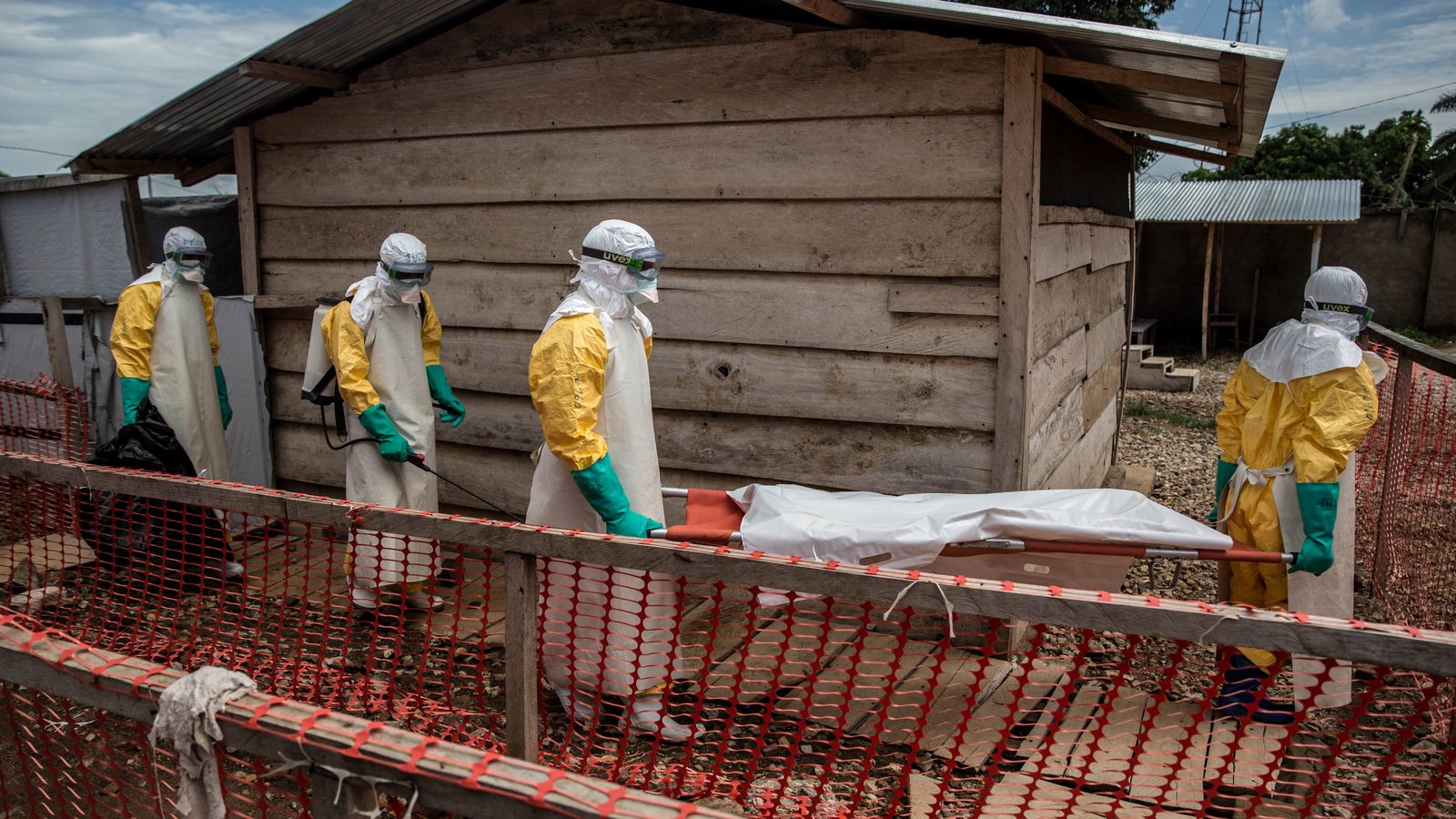
The World Health Organization upgraded its risk assessment for the Ebola outbreak in the Democratic Republic of Congo to ‘very high’ on May 22, 2026, as the fastest-spreading Ebola epidemic in years continues to extend its reach across eastern Africa. As of May 24, 2026, the outbreak has generated 1,010 suspected and confirmed cases and at least 231 deaths, with infections confirmed across three provinces in the DRC and five cases now recorded in Uganda’s capital Kampala. Africa’s public health agency has formally warned that 10 additional countries face imminent exposure risk.
The outbreak, caused by the Bundibugyo strain of Ebola virus, was confirmed on May 15, 2026, when laboratory analysis at the Institut National de Recherche Biomedicale in Kinshasa identified the virus in samples from Rwampara Health Zone in Ituri Province, northeastern DRC. Eight of 13 samples tested positive. The WHO declared the outbreak a Public Health Emergency of International Concern on May 17, 2026, just two days after official confirmation, reflecting the extraordinary speed at which the virus spread before authorities even knew it was present.
What makes this outbreak particularly alarming is the Bundibugyo strain. Unlike the more commonly known Zaire strain of Ebola, for which vaccines and therapeutics now exist, the Bundibugyo virus has no licensed vaccine and no approved specific treatment. The case fatality rates recorded in the two previous Bundibugyo outbreaks ranged from 30 to 50 percent. Early supportive care can save lives, but the lack of a deployable vaccine means the only tools available for containment are surveillance, contact tracing, isolation, and community engagement.
The DRC health ministry confirmed on May 15 that health experts were alarmed to discover the outbreak had already generated hundreds of suspected cases by the time it first came to official attention. The cluster originated with a group of severe illnesses affecting healthcare workers at a hospital in Bunia Health Zone in early May. Initial samples tested negative for Ebola virus, delaying the diagnosis and allowing the virus to spread further before containment measures could begin.
By May 16, confirmed and suspected cases existed across at least three health zones in Ituri Province, including Bunia, Mongbwalu, and Rwampara, with additional cases in Kinshasa, the DRC’s capital, and two confirmed cases in Kampala, Uganda. The two Kampala cases, which appeared within 24 hours of each other, involved individuals who had traveled from the DRC, demonstrating the outbreak’s potential to move quickly through air and road travel networks.
Uganda confirmed three additional cases on May 23, bringing the country’s total to five and intensifying the cross-border response effort. Africa CDC declared a Public Health Emergency of Continental Security on May 18, the highest level of emergency designation available under African Union health frameworks. The United States CDC issued a Level 3 Travel Health Notice for DRC and a Level 1 notice for Uganda, and on May 18, the CDC and the Department of Homeland Security jointly announced enhanced travel screening and entry restrictions to prevent Ebola from reaching American shores.
The humanitarian context in which this outbreak is occurring makes containment dramatically harder. Ituri Province has experienced years of armed conflict, displacement, and humanitarian crisis. Healthcare infrastructure in the affected areas is limited and severely strained. High population movement, driven partly by insecurity and partly by active trade routes, means that contacts of confirmed cases are difficult to identify and follow. Over 1,000 contacts are currently being traced in Ituri alone.
WHO Director-General Tedros Adhanom Ghebreyesus held a virtual ministerial briefing on May 25 focused on coordinating the international response. The WHO is scaling up support to both governments through strengthening surveillance, contact tracing, clinical preparedness, supply delivery, and community engagement. The agency has emphasized that community trust and cooperation are the most critical variables in containing any Ebola outbreak, and achieving that trust in conflict-affected areas with deep historical suspicion of outside authorities requires time and sustained effort that the urgency of this outbreak does not fully allow.
Read More: Global Oil Crisis Deepens as Iran War Cuts Strait of Hormuz Access and Asia’s Poorest Nations Face Humanitarian Emergency
The global risk from this outbreak remains classified as low by both the WHO and the CDC, meaning the probability of significant spread outside Africa is not high given current travel patterns. However, the precedent of two Kampala cases appearing within 24 hours of each other demonstrates that the virus can move from remote Ituri Province to an African capital quickly. The ten countries identified as at risk include other East African nations connected to DRC by air and road transport networks.
The world learned hard lessons from the 2014 West Africa Ebola outbreak, which killed more than 11,000 people and spread to multiple continents before it was contained. The institutional memory of those lessons must now be deployed at maximum speed. Every day of delayed containment increases the probability of further geographic spread. The response in the next 30 days will determine whether this becomes a contained regional outbreak or an escalating international emergency.


 youthpublishnow@gmail.com


 Mael Jules