 youthpublishnow@gmail.com
Published: Tuesday, May 5, 2026 | Breaking News
A rare and deadly hantavirus outbreak has claimed three lives aboard a cruise ship carrying nearly 150 people off the coast of Cape Verde in the Atlantic Ocean, the World Health Organization confirmed this week, triggering an emergency international health response that has drawn global attention to one of medicine’s most dangerous respiratory infections.
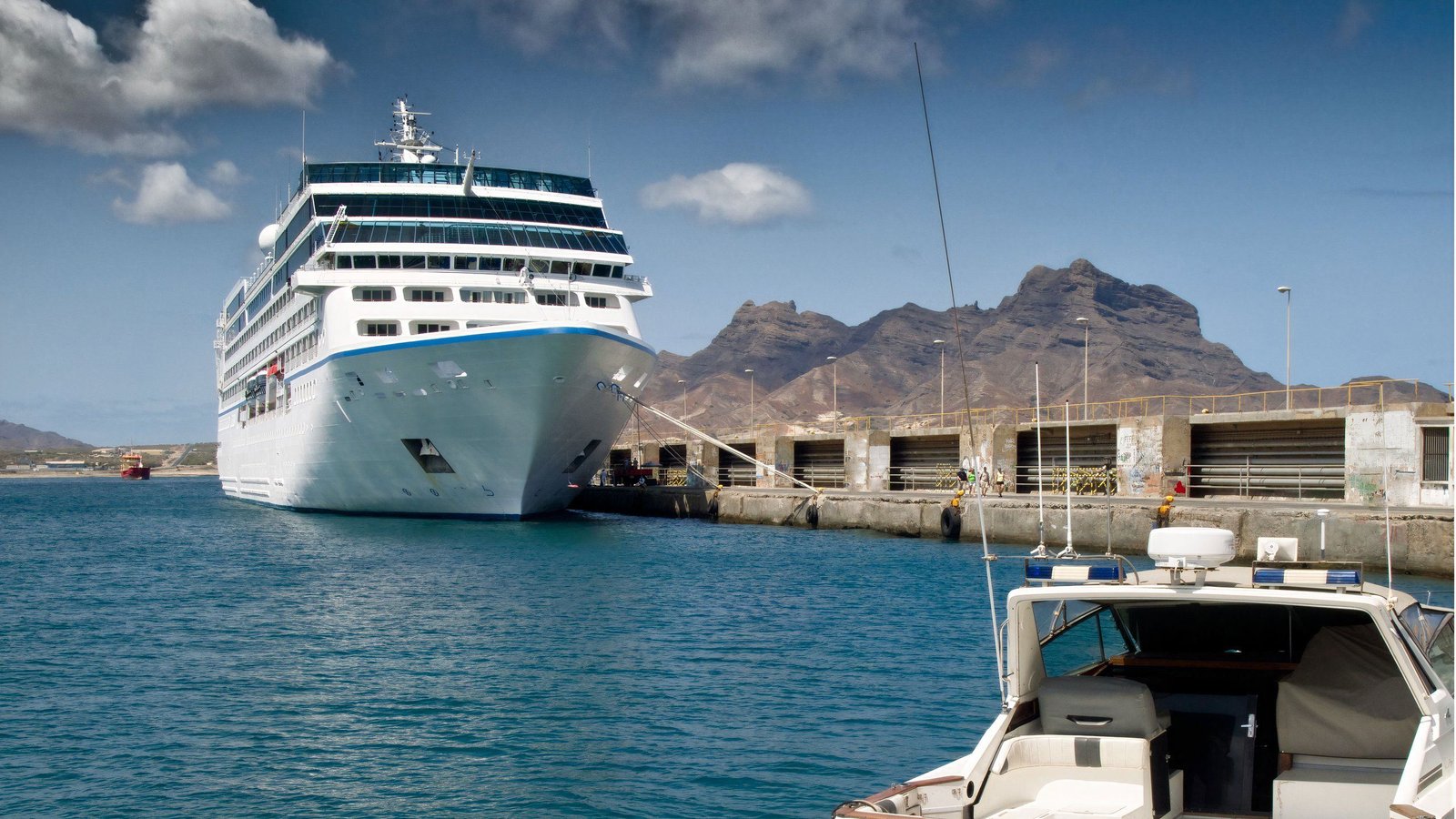
The vessel, the MV Hondius, was anchored off the port of Praia, Cape Verde’s capital city, as of Monday, May 4, 2026, awaiting specialized medical assistance. Health authorities were working to assess the scope of the outbreak, identify additional cases, and evacuate passengers who required hospital-level care. The ship remained stranded in Cape Verde waters as governments and international health agencies coordinated the response.
Hantaviruses are transmitted through contact with infected rodents, particularly through their urine, saliva, or feces. Human-to-human transmission is rare with most hantavirus strains, though certain South American variants have shown limited person-to-person spread. Hantavirus infections can cause hantavirus pulmonary syndrome, a severe and potentially fatal respiratory condition, or hemorrhagic fever with renal syndrome, depending on the strain involved. Without prompt intensive care, mortality rates can be significant, making the disease far more dangerous than common respiratory illnesses.
The outbreak aboard the MV Hondius is unusual in its setting. Cruise ships present particular challenges for infectious disease control because of the closed environment, shared spaces, and limited capacity for intensive medical care onboard. Health officials were working to determine the source of exposure, whether passengers came into contact with infected rodents at a port stop, and whether any additional cases were developing among the nearly 150 people still aboard.
Read More; U.S. Senate Passes Homeland Security Funding to Reopen Shut Department After Months of Deadlock
Cape Verde’s national health authorities immediately alerted the WHO and activated emergency protocols. The WHO began coordinating with regional health networks and European authorities, as many of the passengers are believed to hold European nationalities. Governments whose citizens were aboard the ship were notified, and consular teams were dispatched to assist with communications, medical coordination, and potential evacuation logistics.
Hantavirus outbreaks are rare but have occurred across multiple continents, from the Americas, where the Sin Nombre virus caused a deadly outbreak in the southwestern United States in 1993, to Europe, where Puumala and Dobrava viruses circulate among rodent populations. Each year, global public health networks monitor dozens of potential hantavirus exposure events, but confirmed cases aboard a cruise ship represent a genuinely unusual and serious scenario.
Infectious disease experts are urging calm while stressing the need for thorough investigation. “The priority is to identify all potentially exposed individuals, isolate anyone showing symptoms, and arrange evacuation to facilities capable of providing the level of care these patients need,” one WHO regional specialist said in a briefing note circulated to member states.
The MV Hondius outbreak arrives at a moment of heightened global sensitivity to infectious disease threats, particularly after years of COVID-19 pandemic response that strained health systems worldwide. Port authorities across the Atlantic are now on alert, and passenger tracking for anyone who disembarked from the vessel at recent port stops is already underway as a precautionary measure to identify any potential secondary exposure cases.
For Cape Verde, a small island nation whose economy depends heavily on tourism, the outbreak creates a challenging balance between public health transparency and the risk of reputational damage to its hospitality sector. Authorities moved quickly to reassure tourists that the outbreak was confined to the vessel and that mainland Cape Verde poses no elevated risk to visitors.


 youthpublishnow@gmail.com