 youthpublishnow@gmail.com
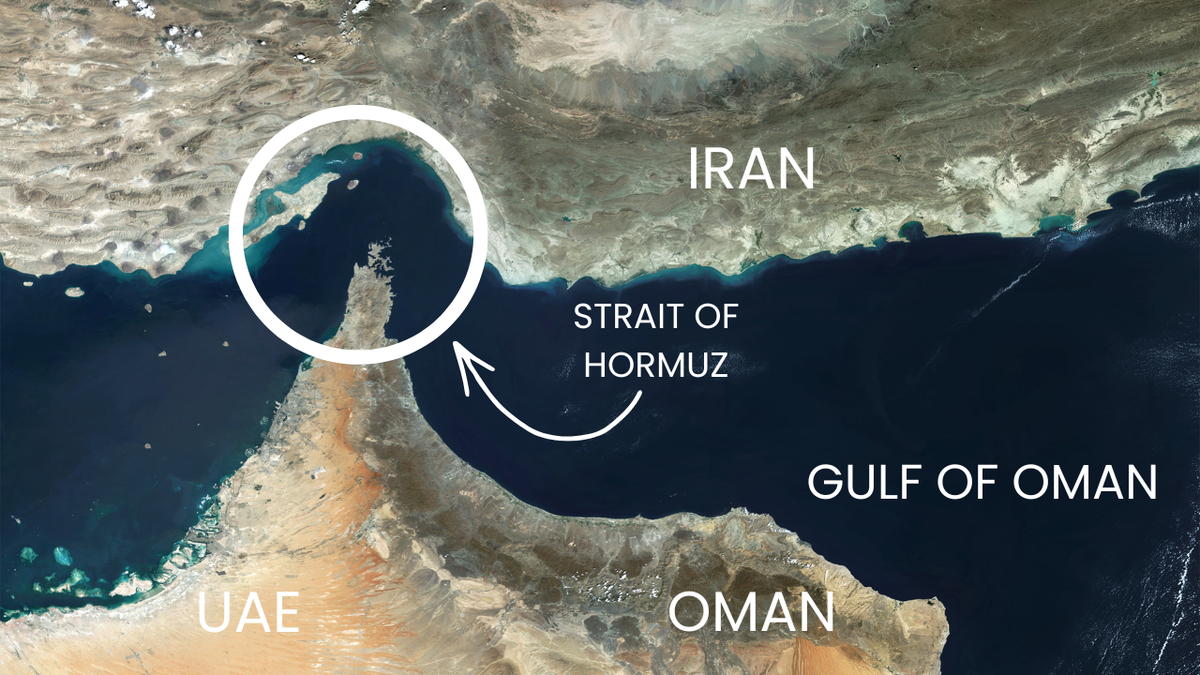
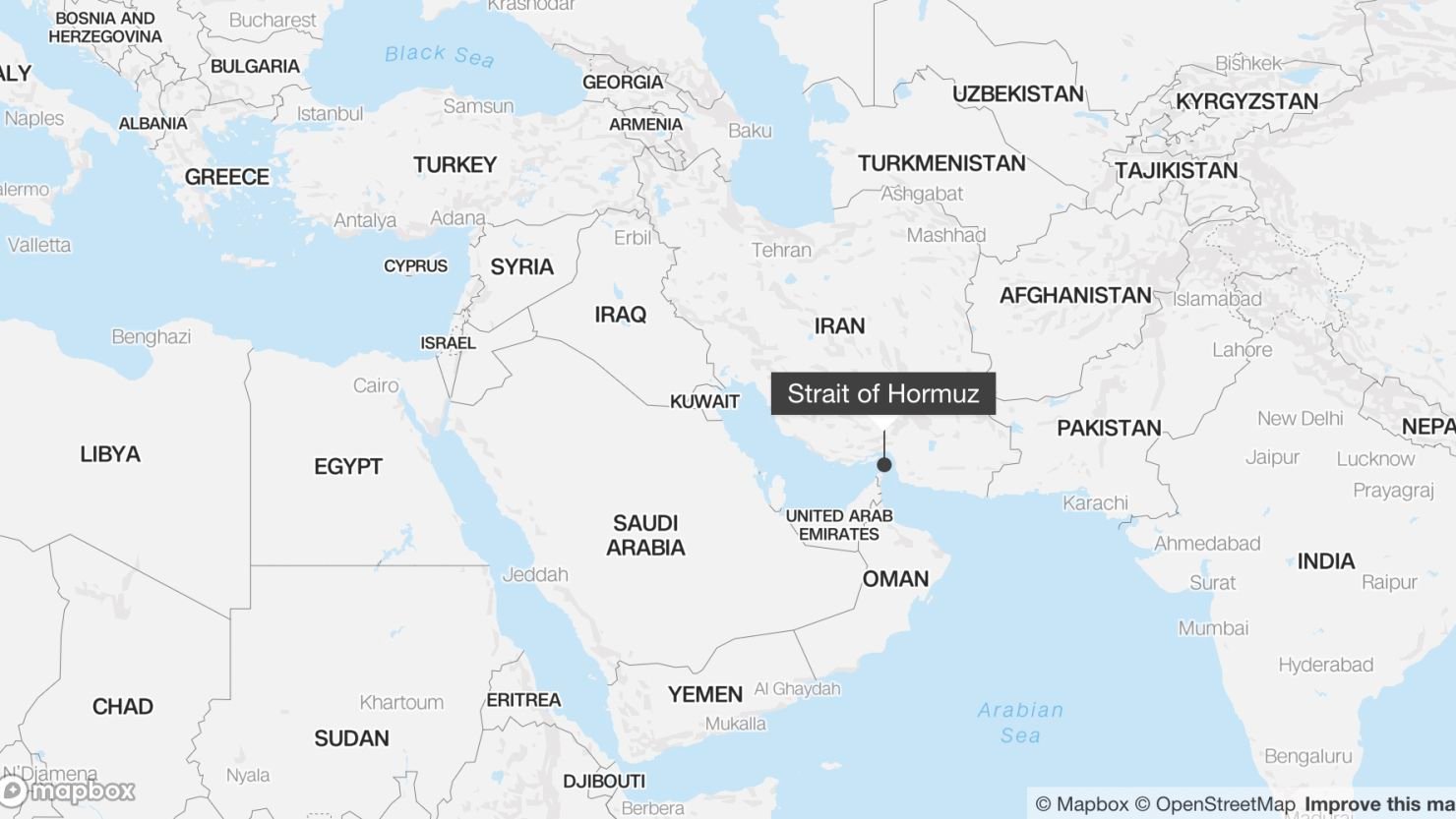
The Strait of Hormuz, the narrow waterway through which roughly 20 percent of the world’s seaborne oil and 20 percent of global liquefied natural gas once flowed freely every day, remains effectively closed in June 2026. The crisis, now entering its fourth month, has triggered what the International Energy Agency describes as the largest supply disruption in the history of global oil markets.
The conflict began in late February 2026, when Israel and the United States launched a coordinated series of military strikes against Iran targeting its nuclear program and ballistic missile infrastructure. Iran’s supreme leader Ali Khamenei was killed in those strikes. His son subsequently took power and immediately authorized the Iranian Revolutionary Guard Corps to close the Strait of Hormuz, deploying sea mines, launching attacks on merchant vessels, and issuing direct warnings forbidding passage through the waterway.
From March 4, 2026, Iran formally declared the Strait closed. The IRGC boarded, damaged, and in several cases seized commercial vessels attempting to transit. At least 17 merchant ships sustained damage. Two vessels were captured outright. Twelve seafarers are confirmed killed or missing. Shipping companies suspended operations entirely, with almost no commercial traffic now attempting to use the strait regardless of flag or origin.
The United States responded by announcing a counter-blockade on ships seeking to enter or exit Iranian ports, beginning in mid-April. A conditional ceasefire is technically in place and has been extended while nuclear talks continue. But the ceasefire has not reopened shipping. Senior UAE energy official Dr. Sultan Al Jaber warned this week that even if hostilities end today, it will take four months for oil flows through the Strait to return to 80 percent of pre-conflict levels. Full recovery will not arrive before the first or second quarter of 2027.
Global energy markets have responded violently. Brent crude surged above $100 per barrel in March 2026, a gain of 14 percent in weeks. Goldman Sachs Chief Economist Jan Hatzius warned that if oil prices sustained those levels, global headline inflation could rise by 0.7 percentage points, materially complicating the Federal Reserve’s ability to manage interest rates. The IMF has revised its global growth forecast downward, warning that the Middle East conflict has halted the positive economic momentum that carried over from 2025.
China and Russia vetoed a draft UN Security Council resolution in April aimed at reopening the strait. Iran’s Foreign Minister Abbas Araghchi briefly signaled in April that commercial vessels would be allowed transit during the ceasefire. Iran’s National Security Council subsequently contradicted him, stating the closure would continue for as long as the U.S. naval blockade on Iranian ports remains in place.
Read More: Ukrainian Drone Strike Hits St. Petersburg Oil Terminal as Putin’s Davos Economic Forum Opens Under Black Smoke
Diplomatic efforts to restore freedom of navigation are intensifying. The United Kingdom and other allied nations are discussing defensive naval escort operations for commercial vessels. A new body, the Persian Gulf Strait Authority, has been proposed to coordinate transit. Meanwhile, the UAE is accelerating investment in alternative pipeline routes and AI-driven energy infrastructure to reduce long-term dependency on the strait.
The broader strategic question remains unresolved. Dr. Al Jaber put it bluntly: ‘Once you accept that a single country can hold the world’s most important waterway hostage, freedom of navigation as we know it is finished.’ The world is now living inside that scenario, and the economic, diplomatic, and security consequences grow heavier with each passing week.


 youthpublishnow@gmail.com