 youthpublishnow@gmail.com
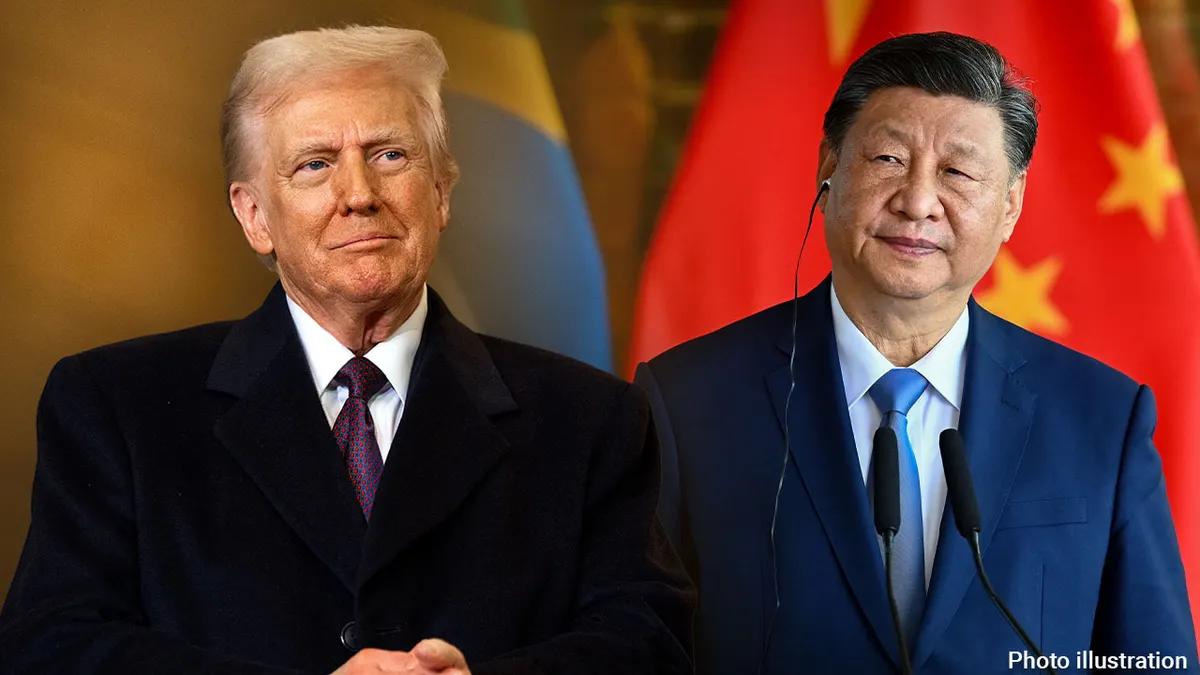
US President Donald Trump departed Beijing last week following a two-day summit with Chinese President Xi Jinping described publicly by both leaders as productive, but the meetings produced no binding agreements on the three most consequential issues on the agenda: the US-Iran military conflict, the future of Taiwan, and freedom of navigation through the Strait of Hormuz. The absence of concrete outcomes has left global financial markets, energy traders, and allied governments unsettled about what the world’s two largest economies actually agreed to achieve together.
Trump and Xi met for private sessions at the Great Hall of the People in Beijing, accompanied by a high-profile state banquet attended by some of the most powerful figures in American business, including Tesla CEO Elon Musk, Apple CEO Tim Cook, and Nvidia CEO Jensen Huang. The spectacle of American technology executives dining alongside Chinese leadership in Beijing underscored the deep commercial interdependence that both governments publicly criticize while privately protecting. Trump called the summit a “milestone visit” and said the meetings “settled a lot of different problems,” without specifying which problems or how they were resolved.
Xi described Trump’s trip as a “milestone visit” for bilateral relations and called for deeper cooperation on trade. The two leaders toasted each other at the state banquet, projecting a warmth that contrasted sharply with the confrontational trade and technology policies both governments have pursued over the past several years. But the diplomatic theater obscured the substantive gaps that negotiators failed to bridge. American officials confirmed before departing that no agreement covering Taiwan’s status, Iran sanctions coordination, or joint management of Hormuz shipping lanes had been finalized.
The Strait of Hormuz remains the most immediate pressure point. Iran has threatened to impose fees on submarine cables running through the waterway and to monitor global data traffic through the strait, citing claimed sovereignty. Iranian state-linked media has openly called on Tehran to weaponize control over undersea internet infrastructure as leverage against the United States and its allies. The US has tightened sanctions on Iranian ports and sought to escort commercial shipping through the strait but abruptly halted those escort plans, citing progress in separate negotiations. The situation has settled into what analysts describe as entrenchment, with no clear resolution in sight and both sides accumulating leverage.
Energy markets remain volatile as a result. The IMF’s spring 2026 World Economic Outlook explicitly identified Europe’s energy shock linked to the Middle East war as one of the primary risks to global growth. European governments face the twin challenge of containing energy inflation driven by Hormuz disruption and rebuilding strategic reserves depleted during two consecutive harsh winters. Oil-exporting nations including Saudi Arabia and the UAE have maintained production discipline through OPEC+ agreements, keeping prices elevated at levels that benefit sovereign wealth funds but squeeze oil-importing economies across Asia and Africa.
The Taiwan question produced equally little progress. China introduced new economic incentives for Taiwan ahead of the summit, including the resumption of direct flights and improved access for Taiwanese media. Analysts interpreted the moves as a political strategy designed to soften cross-strait tensions through commercial engagement rather than military pressure. Xi explicitly warned Trump during their Beijing meetings of the potential for conflict over Taiwan, and Trump reportedly pushed back without making explicit security commitments. The absence of a formal joint statement on Taiwan means Washington’s deterrence posture remains ambiguous.
Read More: Trump and Xi Conclude Beijing Summit Calling It a ‘Milestone Visit’ as Trade, Iran, and Taiwan Dominate Talks
Markets reacted cautiously to news of the summit’s limited concrete outcomes. Currency traders noted that the US dollar held steady while Asian equity markets posted modest gains on the relief that the meeting did not produce new confrontation. But commodity analysts warned that without a clear framework for managing the Hormuz standoff, oil price volatility will persist through summer 2026 and possibly into the fourth quarter.
The next formal diplomatic contact between Washington and Beijing is expected at the G20 summit in October, giving markets and governments approximately four months of continued uncertainty about the trajectory of the world’s most consequential bilateral relationship.


 youthpublishnow@gmail.com