youthpublishnow@gmail.com
By DNN247 Global Economy Desk | May 7, 2026 | Global Economy, Trade, Energy, Financial Markets
Global economy is navigating one of its most treacherous periods in decades, as three major destabilizing forces, an energy supply shock from the Strait of Hormuz, persistent U.S. tariff pressures, and rising sovereign debt burdens across developing nations, collide simultaneously to threaten growth forecasts and financial market stability worldwide.
The closure of the Strait of Hormuz since late February has effectively removed approximately 25 percent of global seaborne oil from regular circulation, driving energy prices to levels not seen since the early 2020s. With American gas prices now averaging $4.45 per gallon nationally and exceeding $6 per gallon in California, inflationary pressure from fuel costs is feeding into transportation, food production, and manufacturing sectors in ways that central banks cannot easily address through interest rate policy alone.
European economies, already fragile after years of post-pandemic adjustment and the prolonged energy disruption caused by the Russia-Ukraine war, face a second energy shock that analysts describe as potentially more damaging than the first. Germany’s manufacturing sector, which depends heavily on global shipping lanes for both raw material imports and finished goods exports, has seen factory output fall for three consecutive months. The European Central Bank faces the unenviable choice between raising interest rates to combat energy-driven inflation or cutting them to stimulate growth in an economy under strain.
For emerging market economies, the combination of higher global energy prices and a strong U.S. dollar, which typically strengthens during periods of geopolitical uncertainty, is creating severe balance-of-payments stress. Countries in sub-Saharan Africa, South Asia, and Latin America that rely on imported petroleum and repay external debts denominated in dollars are finding their fiscal positions deteriorating rapidly. The International Monetary Fund issued a warning in its latest assessment that debt distress across low-income countries may trigger a new wave of sovereign defaults by the third quarter of 2026.
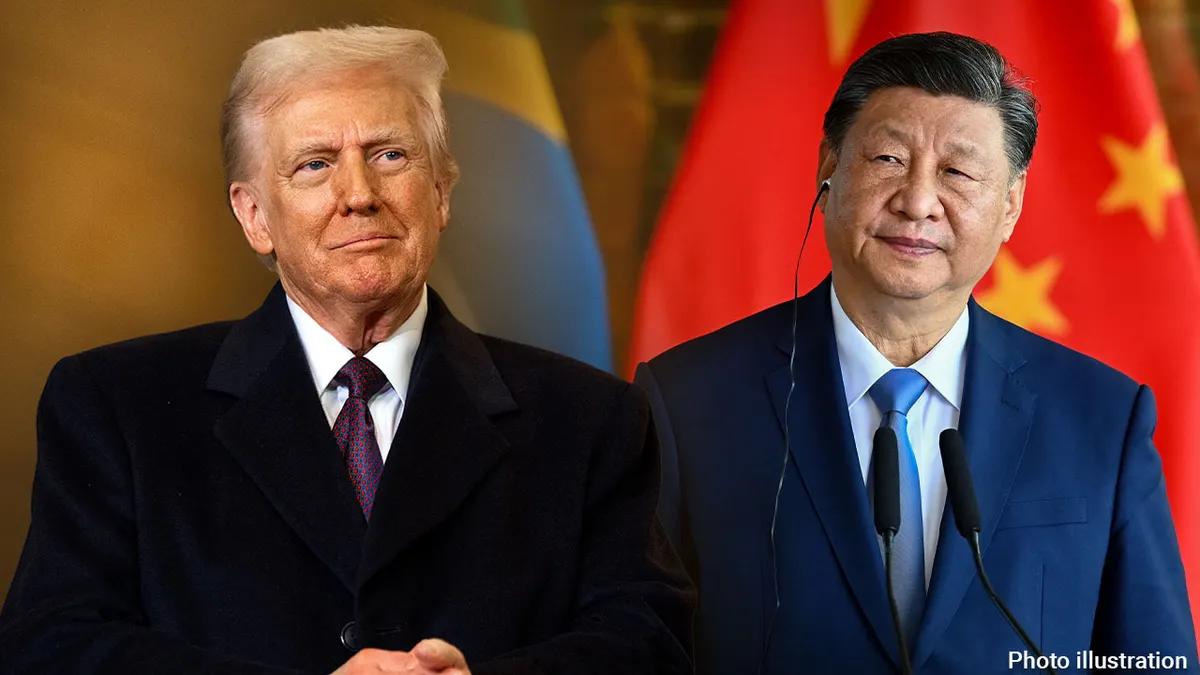
U.S. tariffs, which the Trump administration has maintained and in some sectors expanded as part of its economic nationalism agenda, continue to reshape global trade flows. While some American manufacturers have benefited from domestic market protection, the knock-on effects for global supply chains are generating higher input costs for U.S. companies themselves, complicating the economic picture further.
Markets offered a brief moment of optimism on Wednesday when reports of progress in U.S.-Iran negotiations sent oil prices sharply lower and pushed major U.S. stock indexes to record highs. The S&P 500 gained 1.5 percent and the Nasdaq Composite jumped 2 percent in a single trading session, a reminder of just how much investor sentiment is tied to the geopolitical outcome in the Persian Gulf.
Read More: Russia Declares Unilateral Ceasefire in Ukraine for Victory Day as US Pulls 5,000 Troops from Germany in Stunning NATO Blow
Economists warn, however, that even a successful diplomatic resolution with Iran will not immediately restore normal energy flows. Clearing stranded vessels, deactivating sea mines, and rebuilding the trust of shipping companies will take months, not days. The 23,000 seafarers currently stranded in the Persian Gulf represent a human dimension of the crisis that rarely features in financial commentary but underscores the real-world cost of geopolitical miscalculation.
International institutions including the World Bank and the IMF are calling for coordinated fiscal policy responses and emergency liquidity support for the most vulnerable economies. Whether governments, many of them constrained by their own debt ceilings and political pressures, can deliver such coordination before the economic damage becomes irreversible is the defining economic question of 2026.


 youthpublishnow@gmail.com