 youthpublishnow@gmail.com
May 17, 2026 | Security | Counterterrorism | West Africa
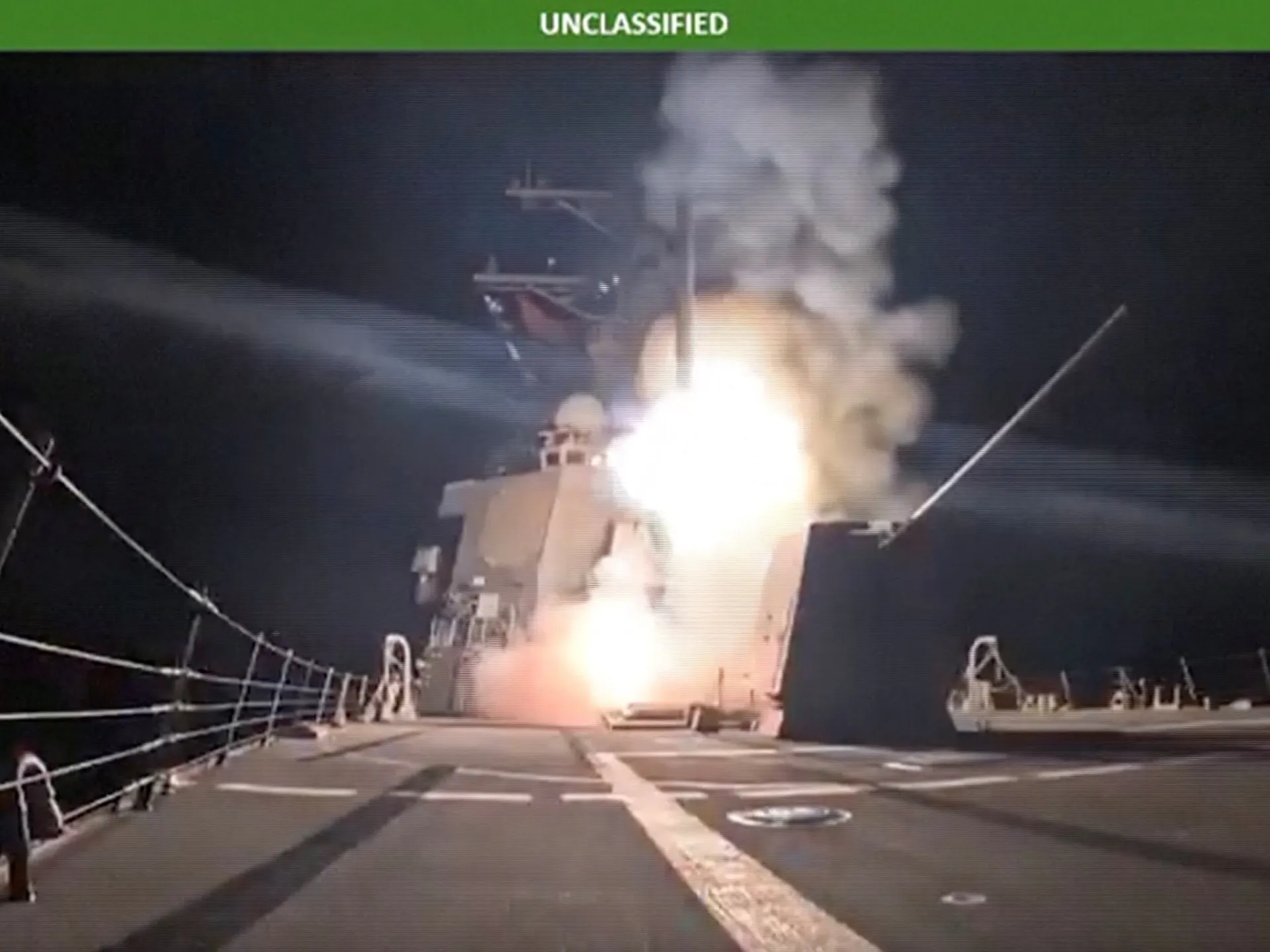
President Donald Trump announced on Friday that U.S. and Nigerian forces eliminated Abu-Bilal al-Minuki, whom Trump described as the second in global command of ISIS and ‘the most active terrorist in the world.’ The operation represents one of the most significant counterterrorism successes in recent memory and highlights the deepening security partnership between Washington and Abuja at a time of growing jihadist activity across West and Central Africa.
Abu-Bilal al-Minuki had been on U.S. intelligence radar for an extended period. His designation as the ISIS global second-in-command reflects both his operational role in planning and enabling attacks across multiple continents and his function as the primary link between ISIS central leadership and its expanding African affiliates. His elimination removes a figure who was actively directing attacks, not merely serving as a symbolic figurehead.
The operation that killed him reflects a model of joint counterterrorism partnership that U.S. military and intelligence officials have worked to develop with African partner nations. Nigeria, which has battled Boko Haram and its ISIS-affiliated splinter group ISWAP in the Lake Chad Basin for over a decade, brings local intelligence, contextual knowledge, and ground presence that American forces alone cannot replicate. The partnership allowed for the precision and speed that the operation required.
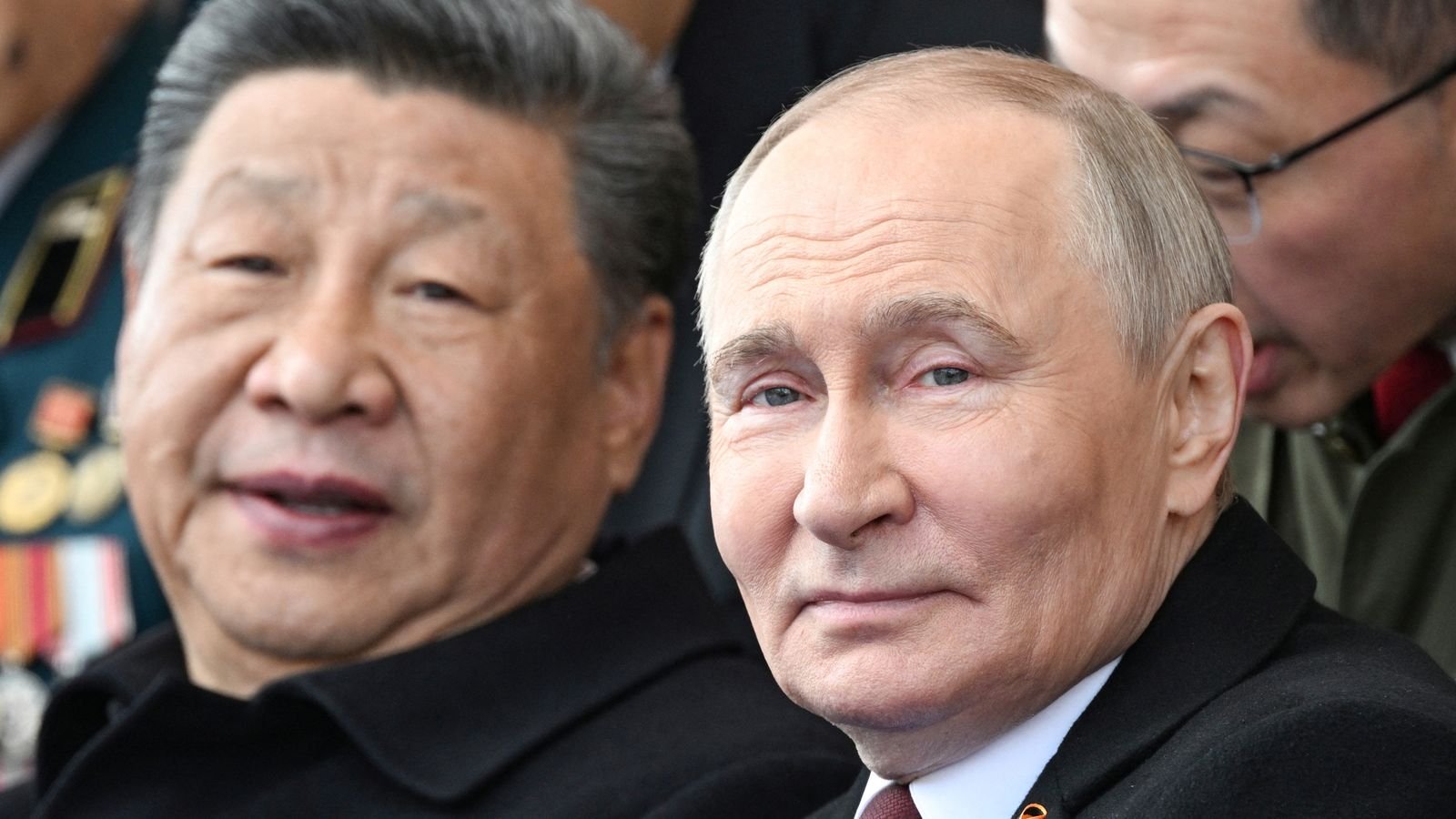
The timing of the announcement carries geopolitical significance. West and Central Africa have been experiencing a profound security deterioration. In Mali, Burkina Faso, and Niger, military juntas that seized power promising to improve security have instead overseen worsening violence. Their reliance on transactional security partnerships with Russia’s Africa Corps has not translated into battlefield success against jihadist groups.
The elimination of al-Minuki will not end the ISIS threat in Africa or globally. Terrorist organizations have shown resilience and adaptability when losing senior leadership. Succession planning within these groups means that a replacement could emerge relatively quickly, and the operational networks built under al-Minuki’s direction will not simply disappear.
However, the significance of removing a figure actively directing operations should not be minimized. Intelligence gathered during and after the operation could provide valuable insights into ISIS communication networks, financing channels, and future operational targets across Africa, the Middle East, and beyond.
The operation also carries important political dimensions for both countries. For Trump, it provides a tangible national security victory. For Nigerian President Bola Tinubu, the joint operation with the United States reinforces Nigeria’s positioning as America’s primary security partner in West Africa at a moment when the regional geopolitical landscape is being reshaped by the withdrawal of French influence and the advance of Russian-backed military governments.
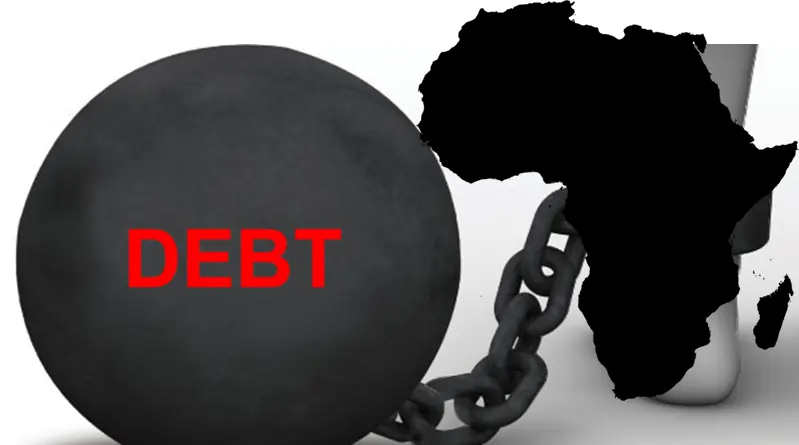
Read More: Africa’s Debt Crisis and the USAID Collapse Create a Perfect Economic Storm Across the Continent
Security analysts caution that the broader threat environment in the Sahel and Lake Chad region remains severe. Tens of thousands of civilians are displaced by ongoing violence. Humanitarian access is sharply constrained. And the socioeconomic conditions that make jihadist recruitment possible, including youth unemployment, food insecurity, and governance failures, remain largely unaddressed.
The death of al-Minuki is a success. But as experienced counterterrorism officials consistently note, it is one chapter, not a conclusion.

 youthpublishnow@gmail.com