 youthpublishnow@gmail.com
BREAKING NEWS DESK | INTERNATIONAL BUREAU | JUNE 7, 2026
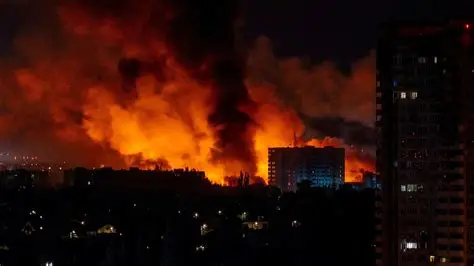
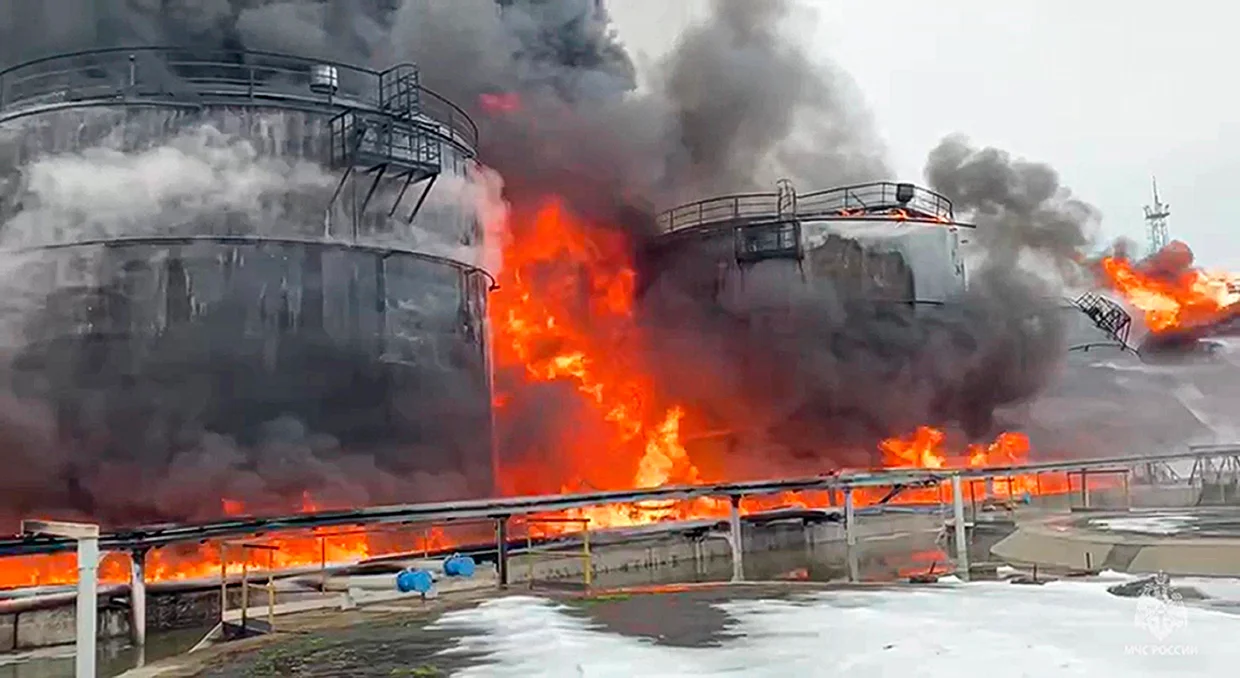
A massive Ukrainian drone assault struck an oil terminal in St. Petersburg and set it ablaze on Wednesday, June 3, 2026, sending a column of black smoke rising over the city where Russian President Vladimir Putin was born and casting a deep shadow over his flagship St. Petersburg International Economic Forum, the annual event the Kremlin uses to project confidence in Russia’s wartime economy.
Ukrainian President Volodymyr Zelenskyy confirmed the strike on social media, saying the drones flew more than 1,000 kilometers to reach their targets in Russia’s second-largest city. The attack, which also targeted a naval base on the Gulf of Finland near St. Petersburg, caused flight delays and diversions at the city’s Pulkovo Airport as authorities restricted local airspace and cut mobile internet services in an attempt to prevent Ukrainian operators from using cellular signals to guide incoming drones toward their targets.
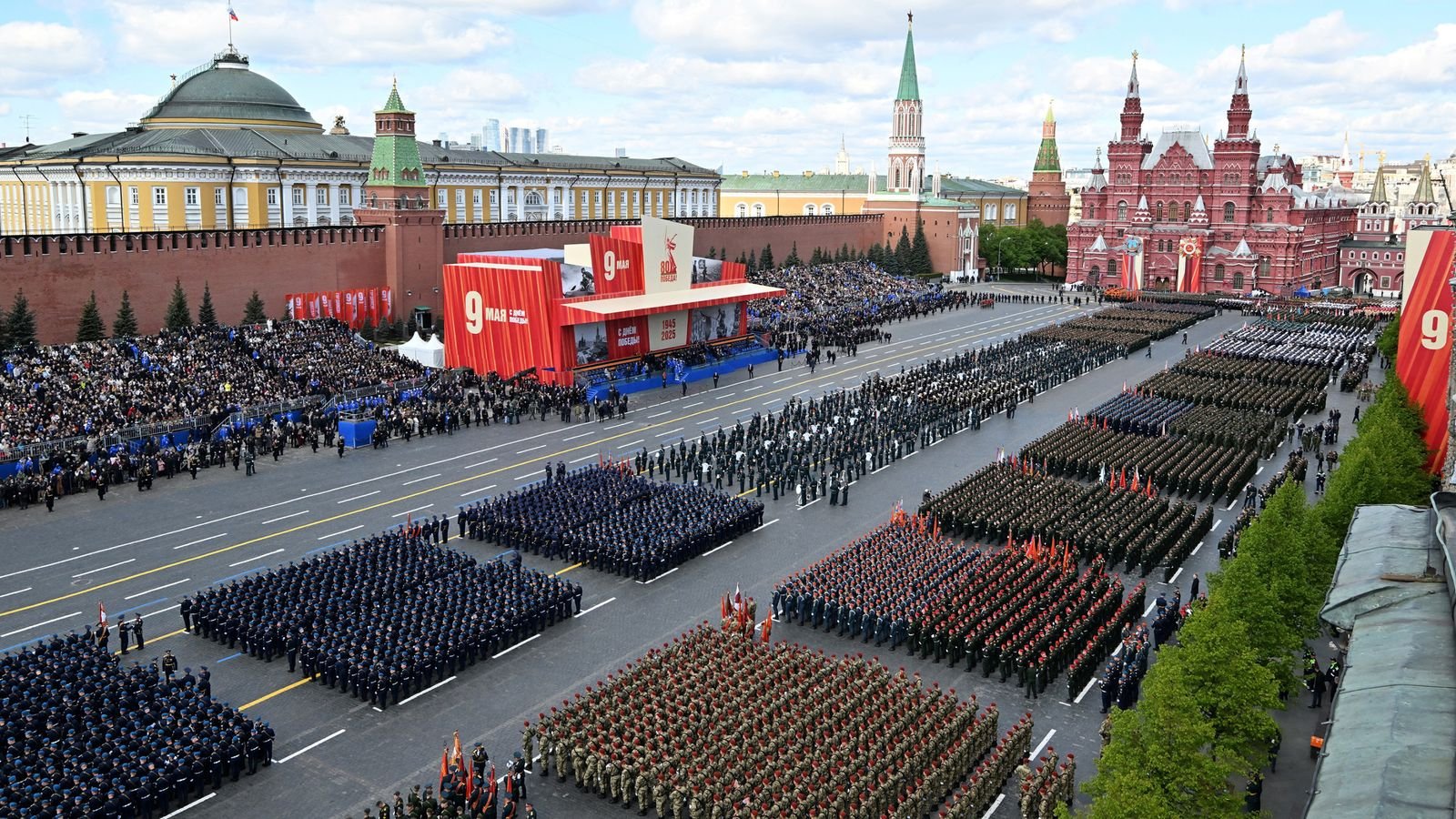
The scale and reach of the assault delivered an unmistakable strategic message. Ukraine demonstrated once again that no location on Russian soil, including the heavily protected city where Putin was born and where thousands of international forum attendees had gathered, stands beyond the reach of Kyiv’s long-range strike capability. The attack also came less than a month after Putin scaled back Russia’s annual Victory Day parade in Moscow because of fears that drone strikes could hit the event, a decision that itself represented a significant propaganda setback for the Kremlin.
Russia’s defense ministry reported that its air defense systems intercepted more than 350 Ukrainian drones targeting areas near the border and deeper inside the country during the same overnight operation. Yet the intercepted drones could not prevent the St. Petersburg terminal from burning, nor could they stop the images of thick black smoke drifting across one of Europe’s most storied cities from circulating globally in the hours before Putin’s forum opened.
The St. Petersburg International Economic Forum, sometimes described as Russia’s answer to the World Economic Forum in Davos, Switzerland, was due to draw thousands of attendees seeking to signal that Russia remains open for business despite more than four years of war and sweeping Western sanctions. Major Western investors and senior government officials from NATO-aligned countries have boycotted the forum since Russia launched its full-scale invasion of Ukraine in February 2022. This year’s notable attendees included American far-right commentator Candace Owens and Rodney Mims Cook Jr., a Trump-appointed official who became the first American government representative to attend the forum since 2017, a detail that Ukrainian officials and NATO diplomats noted with sharp criticism.
Putin, speaking through Kremlin spokesman Dmitry Peskov, insisted that Russia’s armed forces were advancing inside Ukraine specifically to prevent Ukrainian forces from carrying out attacks like the one on St. Petersburg. He confirmed that Russia’s threatened systematic strikes on Kyiv were underway, a claim that followed one of Russia’s largest aerial assaults on Ukraine in months, launched on Tuesday, June 2, which killed at least 22 people across several Ukrainian cities and wounded more than a hundred others.
Read More: Iran Halts US Peace Negotiations, Threatens to Fully Close Strait of Hormuz as Global Oil Prices Surge to Critical Levels
The exchange of intensifying aerial attacks has pushed peace prospects further out of reach. With battlefield lines largely frozen and diplomatic contacts stalled, both governments appear committed to grinding aerial pressure campaigns that punish each other’s economic infrastructure and civilian morale while waiting for the other side to buckle.
For global markets, the war’s continuation guarantees that European energy costs remain elevated, that grain supply chains stay disrupted, and that defense spending across the continent runs at historic highs for at least another fiscal year.

 youthpublishnow@gmail.com