 youthpublishnow@gmail.com
Published: Tuesday, May 5, 2026 | Breaking News
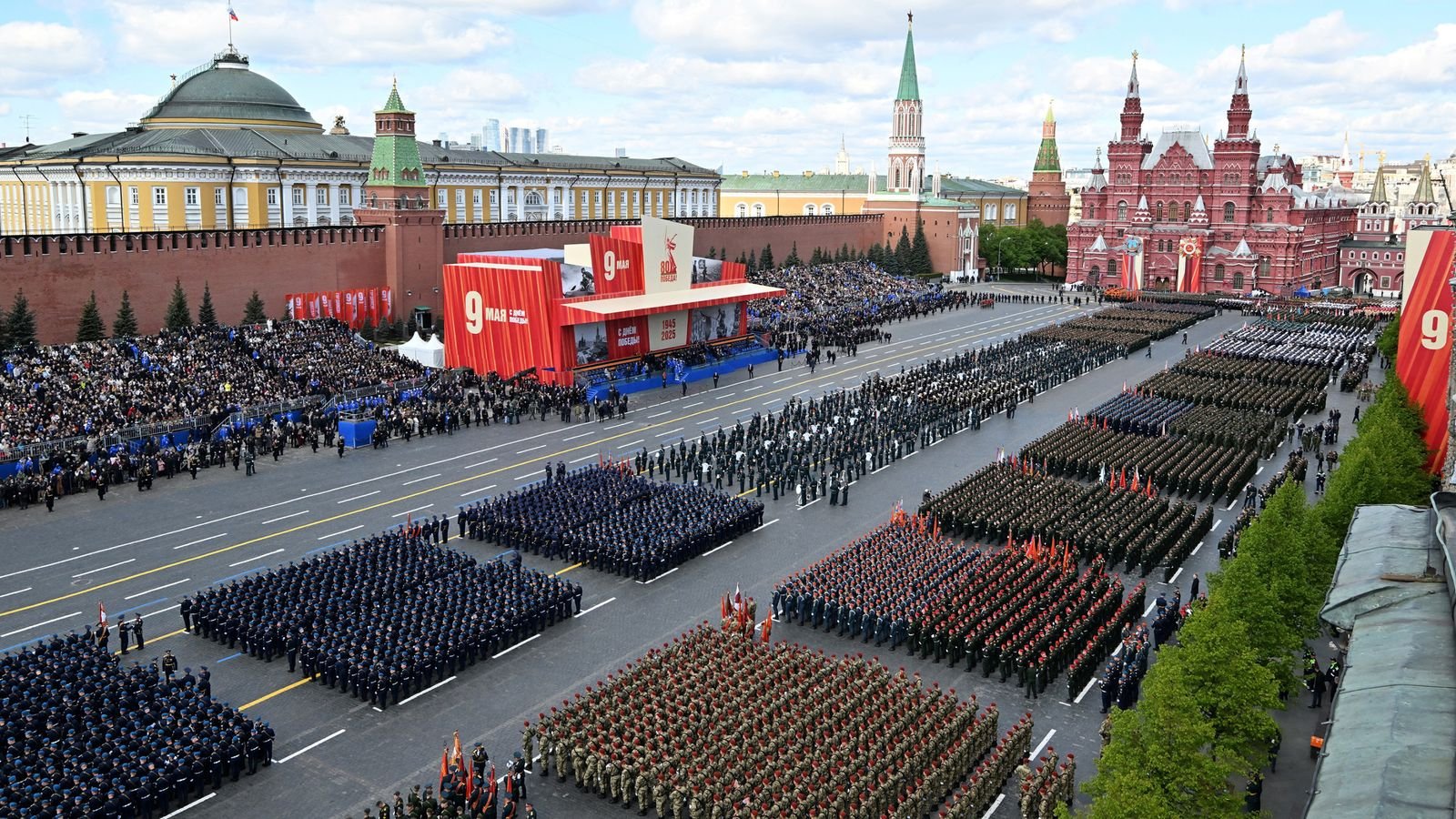
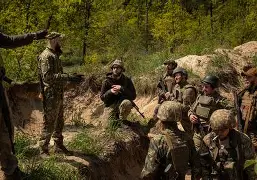
Tuesday, May 5, 2026. Russia announced a unilateral ceasefire in Ukraine for Friday and Saturday, declaring a pause to mark the anniversary of the Soviet Union’s defeat of Nazi Germany in World War II. In the same 24 hours, the Trump administration confirmed it is withdrawing 5,000 troops from its bases in Germany, reducing the American military presence there by roughly 14 percent in what NATO allies are describing privately as a potentially irreversible blow to the alliance’s eastern deterrence posture.
Moscow’s ceasefire declaration came with pointed conditions. The Kremlin said it would hold its fire during the Victory Day commemorations but warned Kyiv directly that if Ukraine attempted to disrupt the festivities with military action, Russia would strike back immediately. Ukrainian officials had not formally agreed to any pause as of Tuesday morning, and fighting on the front lines continued. Military analysts noted that Russia has used similar pauses in the past to regroup logistics and reposition units, making the strategic value of the announcement difficult to assess without field verification.
The troop withdrawal from Germany is a more durable development with longer-term implications for European security. The Trump administration ordered the pullback after a fierce public exchange between President Trump and German Chancellor Friedrich Merz. The confrontation began after Merz publicly stated that the United States had no coherent exit plan from its ongoing war against Iran and had been humiliated by Tehran’s leadership. Trump responded on social media, calling Merz a “totally ineffective” leader who “doesn’t know what he is talking about.”
Germany’s defense minister moved quickly to play down the impact, telling reporters that German and European capabilities have grown significantly since 2022 and that Berlin remains committed to
eastern flank. But behind closed doors, European officials are alarmed. The withdrawal reverses a military buildup that began under President Biden following Russia’s full-scale invasion of Ukraine four years ago. The message it sends to Moscow, at a moment when the Ukraine war remains unresolved and Iran-linked instability is reshaping the Middle East, is one that concerns allies from Warsaw to Paris.
read more; Putin Calls New US Sanctions an ‘Unfriendly Act’ but Insists Russian Economy Remains Strong
Reporters Without Borders released its 2026 World Press Freedom Index on Sunday, World Press Freedom Day, adding another layer of concern to the democratic backsliding picture. The organization reported that press freedom has fallen to its lowest level in 25 years globally. For the first time, more than half of the world’s countries fall into the “difficult” or “very serious” categories for press freedom. The United States fell seven places to 64th in the ranking, with the report citing the Trump administration’s detention and deportation of journalists and sweeping cuts to the US Agency for Global Media.
In Gaza, the situation remained catastrophic. More than 220 journalists have been killed by the Israeli army since October 2023, according to Reporters Without Borders, including at least 70 killed while actively carrying out their journalistic work. The organization called the Israeli army the biggest killer of journalists in the world. Meanwhile, Israel killed 41 people in Lebanon despite a ceasefire agreement and issued new displacement orders for towns in the south.
The convergence of these developments paints a stark picture of a global order under severe strain. The transatlantic alliance that anchored Western security for eight decades is visibly fraying. Democratic norms are retreating. Military conflicts on multiple fronts are consuming resources and attention. And the global economy, already battered by the Strait of Hormuz energy crisis, faces another layer of geopolitical risk from every direction. European governments are now urgently debating whether they can afford to assume Washington’s security commitments are reliable, or whether they must build self-sufficiency at a scale and speed that seemed unthinkable just three years ago.

 youthpublishnow@gmail.com

 Mael Jules