 youthpublishnow@gmail.com
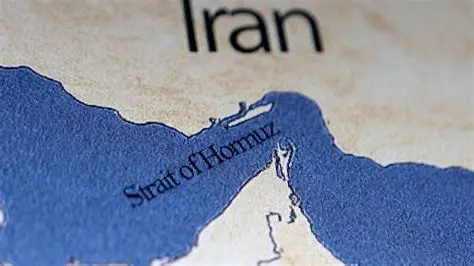
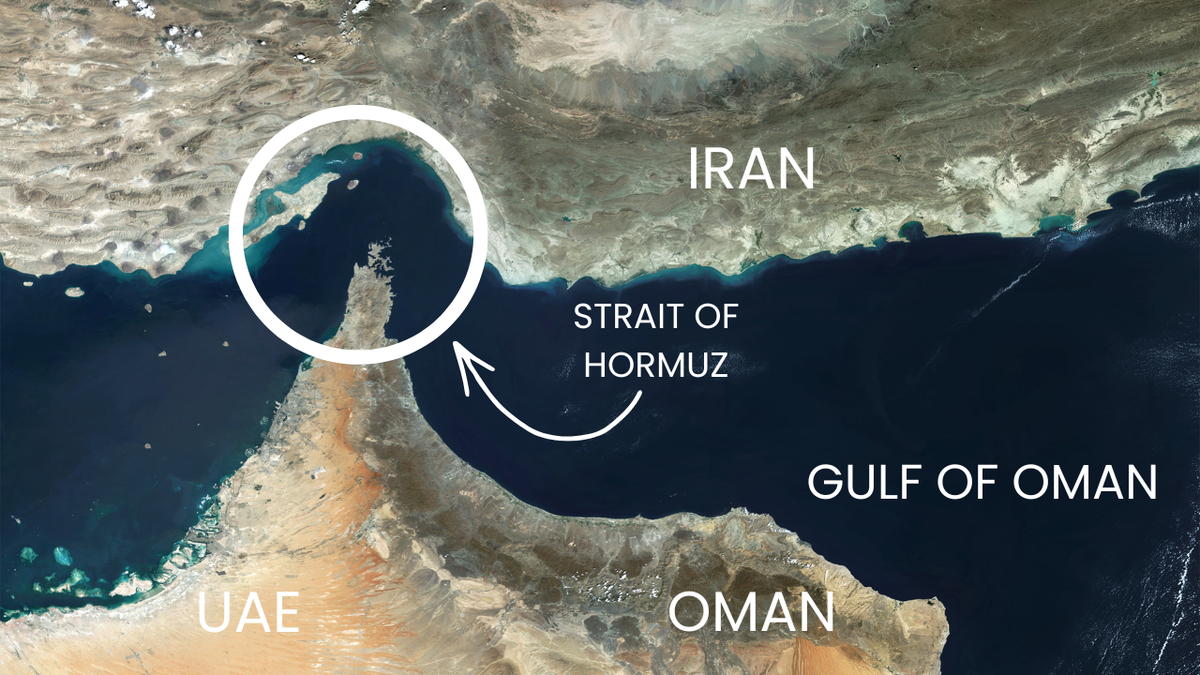
The fragile diplomatic effort to end the US-Iran war shattered on Monday, June 1, 2026, as Tehran announced it was suspending all talks with Washington and the exchange of messages through international mediators, in direct response to Israel’s expanding air offensive against Hezbollah targets in southern Beirut. The collapse of negotiations sent crude oil prices surging more than 5 percent in a single session, with Brent crude jumping back toward the $100 per barrel threshold that markets had hoped would hold as a ceiling. Iran also issued its most alarming threat yet, stating it is ‘determined to consider the complete closure of the Strait of Hormuz and the activation of other fronts including the Bab el-Mandeb Strait,’ the waterway off Yemen’s coast through which approximately 10 percent of global oil trade passes.
The announcement from Iran’s semi-official Tasnim News Agency immediately triggered alarm across energy markets in Europe, Asia, and North America. A dual chokepoint disruption, one cutting Persian Gulf exports through Hormuz while Houthi-linked forces activated against Red Sea shipping through Bab el-Mandeb, would represent an energy supply shock far exceeding anything the global economy has absorbed since the 1973 Arab oil embargo. Analysts at Goldman Sachs and JPMorgan issued rapid assessments warning that simultaneous closure of both waterways could push Brent crude toward $130 per barrel and potentially beyond, destroying demand across aviation, manufacturing, and agriculture worldwide.
President Trump responded without hesitation. In comments to NBC News on Monday, he confirmed the United States would maintain its naval blockade on Iranian ports regardless of Tehran’s decision to suspend talks. ‘If they don’t want to talk, that’s OK with me,’ Trump said. He added in a separate statement to CNBC that he was ‘not concerned’ about rising oil prices. Trump’s defiance reflects a calculated posture that Washington’s pressure campaign eventually forces Tehran back to the negotiating table, but critics argue that every week without a deal allows the economic damage to compound into a global recession.
The immediate trigger for Iran’s withdrawal was Israeli Prime Minister Benjamin Netanyahu’s decision to order air strikes on the southern outskirts of Beirut, targeting Hezbollah infrastructure in the Lebanese capital’s periphery. Tehran had previously warned that Israel’s Lebanon offensive would cross a red line that made continued peace negotiations with the United States untenable. Iran views Hezbollah as a critical part of its regional deterrence architecture, and any Israeli campaign that degrades Hezbollah’s capabilities directly threatens what Tehran calculates as its strategic depth. The Trump administration now faces the politically difficult task of pressuring Netanyahu to scale back Lebanon operations without appearing to weaken US support for Israel.
The war, now entering its fourth month since fighting began in late February 2026, has already produced the most severe energy supply shock of the 21st century. The Strait of Hormuz closure effectively blocked the roughly 20 percent of world seaborne oil trade that passed through it daily, forcing Gulf producers including Saudi Arabia, Iraq, the UAE, and Kuwait to sharply reduce output. Global oil inventories now sit at critically low levels despite emergency stock releases coordinated by the International Energy Agency. The potential activation of Houthi forces against Bab el-Mandeb shipping would threaten the alternative route many tankers adopted after the Hormuz disruption, leaving no viable shortcut between Middle Eastern production zones and European consumers.
Financial markets reacted with controlled panic. Brent crude climbed more than 5 percent in Monday’s session, erasing the moderate price declines of the previous two weeks when diplomatic signals had briefly raised hopes of a deal. US equity indices were mixed, with the S&P 500 flat and tech stocks outperforming on the Nvidia PC chip news, even as energy-sensitive sectors including airlines, shipping companies, and industrial manufacturers fell sharply. The Euro weakened against the dollar as European economies, which import almost all of their oil and are geographically closer to the conflict zone, face disproportionate economic damage from any further supply disruption.
Read More: Trump’s Legal Immigration Crackdown: US Slashes Visa Approvals at Twice the Rate of Illegal Immigration Cuts in 2026
Diplomatic back-channels remain technically open through Oman, which has historically served as a neutral communication line between Washington and Tehran. Omani officials said Monday they continue to facilitate contact. Qatar, which maintains relationships with both sides, also signaled its willingness to host any resumed dialogue. But the gap between US demands, which include a complete halt to Iranian uranium enrichment and the dismantling of ballistic missile programs, and Tehran’s conditions, including full sanctions relief before any nuclear concessions, remains wider than at any point since negotiations began in February.
The next 48 hours represent the most consequential window in the conflict since the Strait of Hormuz first closed in late February. If Trump applies sufficient pressure on Netanyahu to pause Lebanon strikes, Iran may signal a return to the negotiating table. If Israel expands its offensive or Iran conducts a show of force near Bab el-Mandeb, traders warn that oil could break its recent price ceiling with unprecedented speed. For the global economy, already growing at its slowest pace since the pandemic at roughly 2.7 percent, another leg up in energy prices could tip multiple vulnerable economies into outright contraction.


 youthpublishnow@gmail.com