 youthpublishnow@gmail.com
Published: Thursday, May 21, 2026 | Breaking News
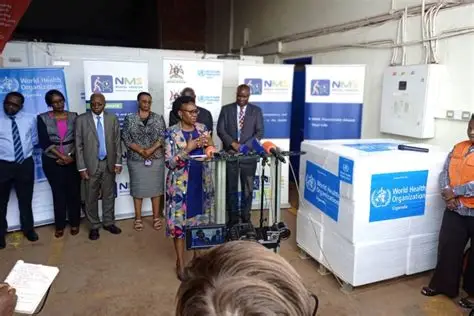
The World Health Organization declared a Public Health Emergency of International Concern on Sunday over a rapidly spreading outbreak of Ebola disease in the Democratic Republic of Congo and Uganda. The strain driving this outbreak is Bundibugyo virus, a species of Ebola for which no licensed vaccine or specific therapeutic treatment currently exists, making this crisis distinctly more dangerous than previous outbreaks where proven vaccines were available.
WHO Director-General Tedros Adhanom Ghebreyesus took the unusual step of declaring the emergency before formally convening an Emergency Committee, acting under Article 12 of the International Health Regulations after consulting the Ministers of Health of both affected countries. He said the urgency of the situation demanded immediate international action and could not wait for procedural procedures that would have taken additional days.
The outbreak was first identified in early May when a hospital in Bunia Health Zone in northeastern DRC’s Ituri Province reported a cluster of severe illnesses killing healthcare workers. By May 15, laboratory analysis by the Institut national de recherche biomédicale in Kinshasa confirmed Bundibugyo virus in eight of thirteen samples tested. The pace of spread since then has been alarming.
As of May 20, the outbreak spans eleven health zones in Ituri Province and has reached Nord-Kivu Province, including the major city of Goma. More than 500 suspected cases and at least 130 deaths are recorded. Laboratory-confirmed cases stand at over 30, with hundreds of additional suspected cases still under investigation. The case fatality rate in previous Bundibugyo outbreaks has ranged between 30 and 50 percent, a figure that, if sustained in this outbreak, would place it among the deadliest disease events in recent African history.
The cross-border dimension transforms this from a national health crisis into a regional emergency. Uganda reported two imported cases in Kampala within 24 hours of each other on May 15 and 16, both in individuals who had traveled from DRC’s Ituri Province. Uganda’s government postponed the annual Martyrs’ Day celebrations, which can attract up to two million people, specifically because of the infection risk those gatherings would create.
The United States is directly involved in the response. One American citizen working in a healthcare setting in DRC was exposed to the virus. The US Centers for Disease Control and Prevention, working with the Department of Homeland Security, is medically evacuating that individual along with six high-risk contacts to a specialized isolation ward in Germany. The CDC confirmed it has more than 30 staff members already deployed in DRC and will surge additional personnel in the coming days.
On May 18, the US implemented enhanced travel screening and entry restrictions. Non-US passport holders who have been in Uganda, DRC, or South Sudan in the previous 21 days are currently ineligible to enter the United States. Visa operations in those countries are suspended.
The absence of an approved vaccine for the Bundibugyo strain is the central clinical challenge. The vaccines available for Ebola outbreaks, including rVSV-ZEBOV, target the Zaire strain of the virus and provide no proven cross-protection against Bundibugyo. The Africa Centres for Disease Control and Prevention is working urgently with pharmaceutical companies to explore research and clinical trial options, but developing and deploying a new vaccine in the middle of an active outbreak takes time that the affected communities do not have.
Read More: US Deportation Machine Hits 2.5 Million Removed as Immigration Enforcement Funding Reaches Historic Levels
Current containment relies entirely on traditional outbreak control measures: contact tracing, isolation of confirmed and suspected cases, infection prevention training for healthcare workers, safe and dignified burial practices, and community engagement to reduce transmission. These measures work when applied rigorously and early, but the complex security environment in eastern DRC, where multiple armed groups operate, severely complicates field teams’ access to affected communities.
The WHO’s Emergency Committee, which met the day after the PHEIC declaration, confirmed the situation warrants the highest classification available short of a pandemic emergency. WHO is not advising countries to close their borders, a recommendation that reflects evidence that border closures impede medical supply chains and response personnel movement without effectively stopping viral spread. The world is watching this outbreak with the hard-won knowledge of previous Ebola emergencies: speed and resources in the first weeks determine whether an outbreak becomes a catastrophe.


 Ferdinand Miracle
 Mael Jules

 youthpublishnow@gmail.com