 youthpublishnow@gmail.com
Dnn247.com | May 23, 2026 | Middle East & Global Security | Breaking News
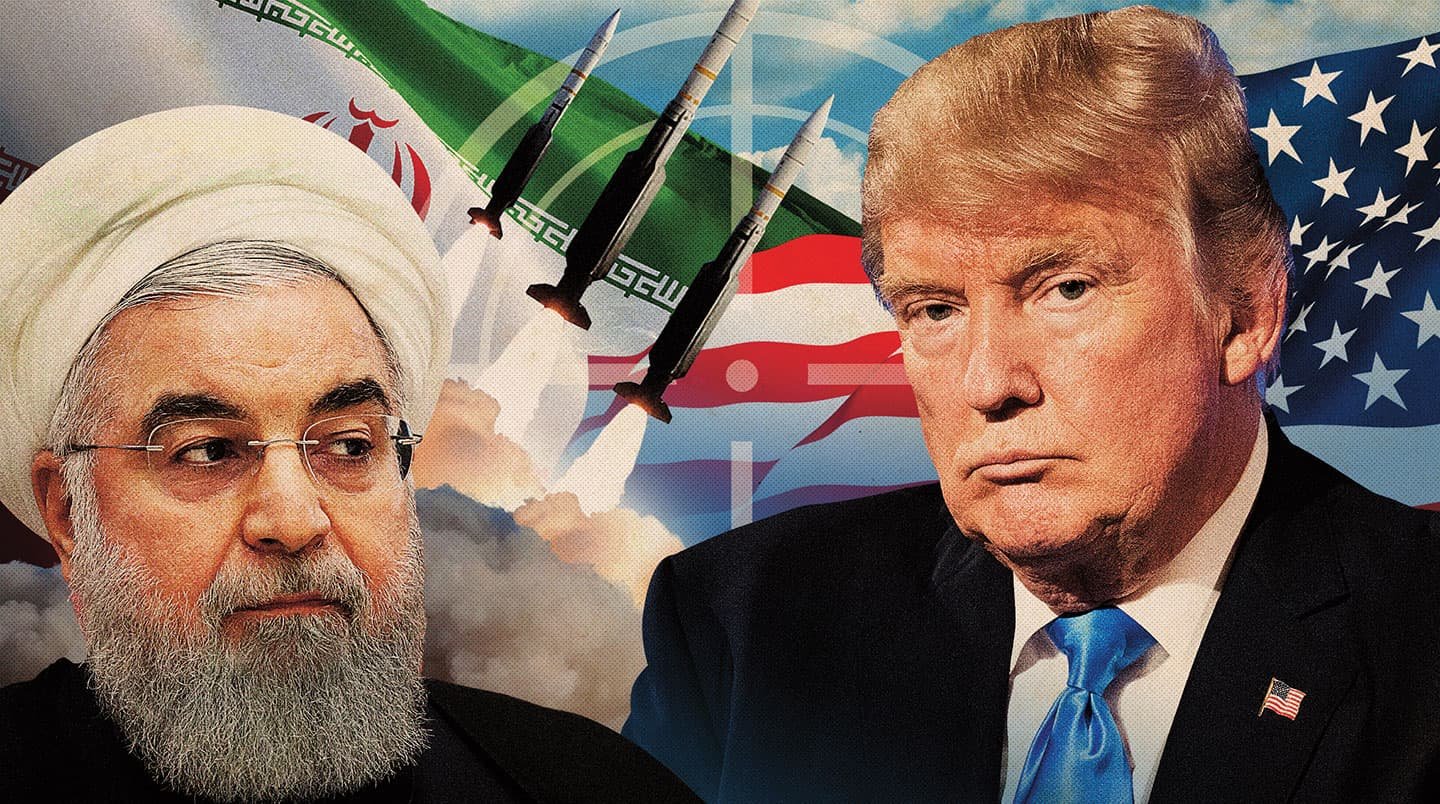
Diplomacy in the Middle East reached a pivotal crossroads this week as U.S. President Donald Trump confirmed he suspended imminent military strikes on Iran for two to three days following urgent intervention by Gulf states, who demanded additional time for negotiations while expressing deep concern about Iranian retaliation and the broader risk of regional escalation. The temporary pause has opened a narrow but significant diplomatic window that world leaders are now scrambling to use.
According to reports confirmed by multiple sources, the White House believes it is approaching a one-page memorandum of understanding with Tehran that would formally end the current phase of the conflict and establish a framework for month-long negotiations on Iran’s nuclear program. The document, described as containing 14 points, is being crafted by Trump’s top envoys Steve Witkoff and Jared Kushner alongside Iranian officials. Qatar stated publicly that Gulf leaders are united in their effort to prevent a resumption of open warfare.
The context for these negotiations is grim. In late February 2026, the United States and Israel launched a new series of coordinated strikes against Iranian infrastructure, targeting military assets and conventional weapons capabilities following Iran’s brutal suppression of domestic protests. That campaign caused extensive damage across Iran’s military apparatus and accelerated what was already a catastrophic impact on regional energy production.
The background to the current crisis extends further still. In June 2025, during the twelve-day war that followed the collapse of earlier diplomatic efforts, U.S. forces struck three of Iran’s key nuclear facilities at Fordow, Natanz, and Isfahan. President Trump declared the sites completely obliterated, and a subsequent Pentagon assessment concluded that Iran’s nuclear program was set back approximately two years. The IAEA confirmed that the sites suffered enormous damage. Iran disputed the extent of the destruction but acknowledged significant harm.
The humanitarian and geopolitical consequences have been severe. Iran’s new Supreme Leader, who emerged from hiding following the killing of Ayatollah Khamenei in February’s strikes, issued a warning this spring about opening other fronts, signaling that Tehran still retains the will to project force across the region even as its military capacity has been severely degraded.
Critically, the ongoing conflict has choked the Strait of Hormuz, a waterway through which approximately 21 percent of the world’s petroleum supply normally flows. The effective blockade, sustained through a combination of military threats, drone operations, and soaring marine insurance premiums that forced major shipping lines to halt transit, has sent global energy markets into a sustained crisis. Brent crude prices have risen 74 percent year-to-date, hitting levels that are driving inflation across every major economy.
G7 finance ministers gathered in Paris this week for emergency discussions on the economic fallout. The yield on U.S. 30-year Treasury bonds jumped to a one-year high, and long-term borrowing costs across G7 economies have surged as investors price in the risk of sustained energy inflation. The Eurogroup President described opening the Strait of Hormuz and bringing the conflict to a lasting end as matters of the utmost importance for global economic stability.
The Carnegie Endowment for International Peace, analyzing the situation this week, noted that Iran’s leadership may calculate that its ability to disrupt the global economy through Hormuz provides sufficient deterrence to begin quietly rebuilding its nuclear program, even without a formal deal. That calculus makes the current negotiating window both critically important and fragile.
Read More: ISIS Global No.2 Killed in Joint U.S.-Nigeria Operation as Terror Threat Intensifies Across West Africa
Analysts observing the talks note that the gaps between the two sides remain significant. Key issues under discussion include freedom of navigation through the Strait, Iran’s nuclear and ballistic missile program, reconstruction assistance, sanctions relief, and a framework for long-term peace. Each of these represents a complex negotiation in itself, and the 14-point memorandum of understanding would only set the stage for the real talks to begin.
The world is watching a moment that could define the geopolitical order of the next decade. A failed negotiation risks a return to open warfare with consequences that energy markets, global supply chains, and millions of civilians across the region cannot absorb. A successful deal would represent the most consequential diplomatic achievement of the Trump presidency and a fundamental reshaping of Middle Eastern security architecture. The next 48 to 72 hours will signal which direction this fragile peace is heading.


 Mael Jules
 youthpublishnow@gmail.com
 Ferdinand Miracle

